History has a voice and we want to listen

Category: Uncategorized

Haunted Cottonwood Roadhouse: There Was Something Terrifying

Investigators spent nights at the haunted Cottonwood House near Barkerville. See the real Estes responses, physical touches, SLS captures, and evidence they caught.

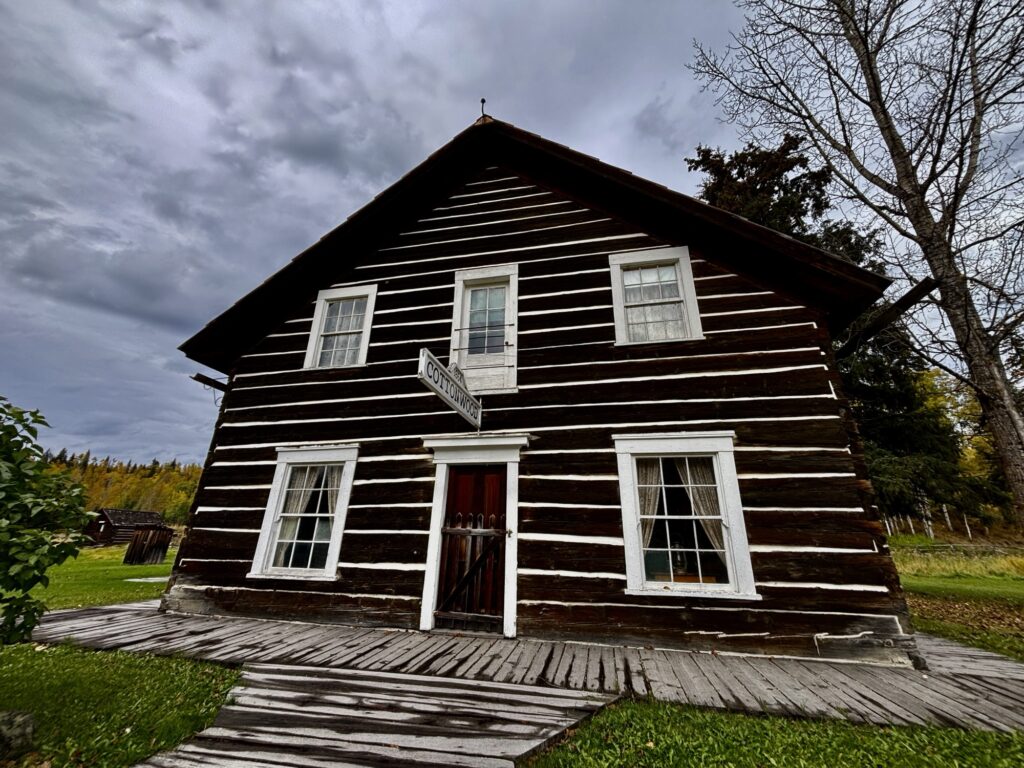
Along the historic Cariboo Wagon Road between Quesnel and Barkerville, British Columbia, stands Cottonwood House Historic Site — one of the last surviving 1860s roadhouses from the Gold Rush era. Built in the mid-1860s and operated for three generations by the Boyd family, this remote property has long been the subject of staff and visitor reports of unexplained activity.
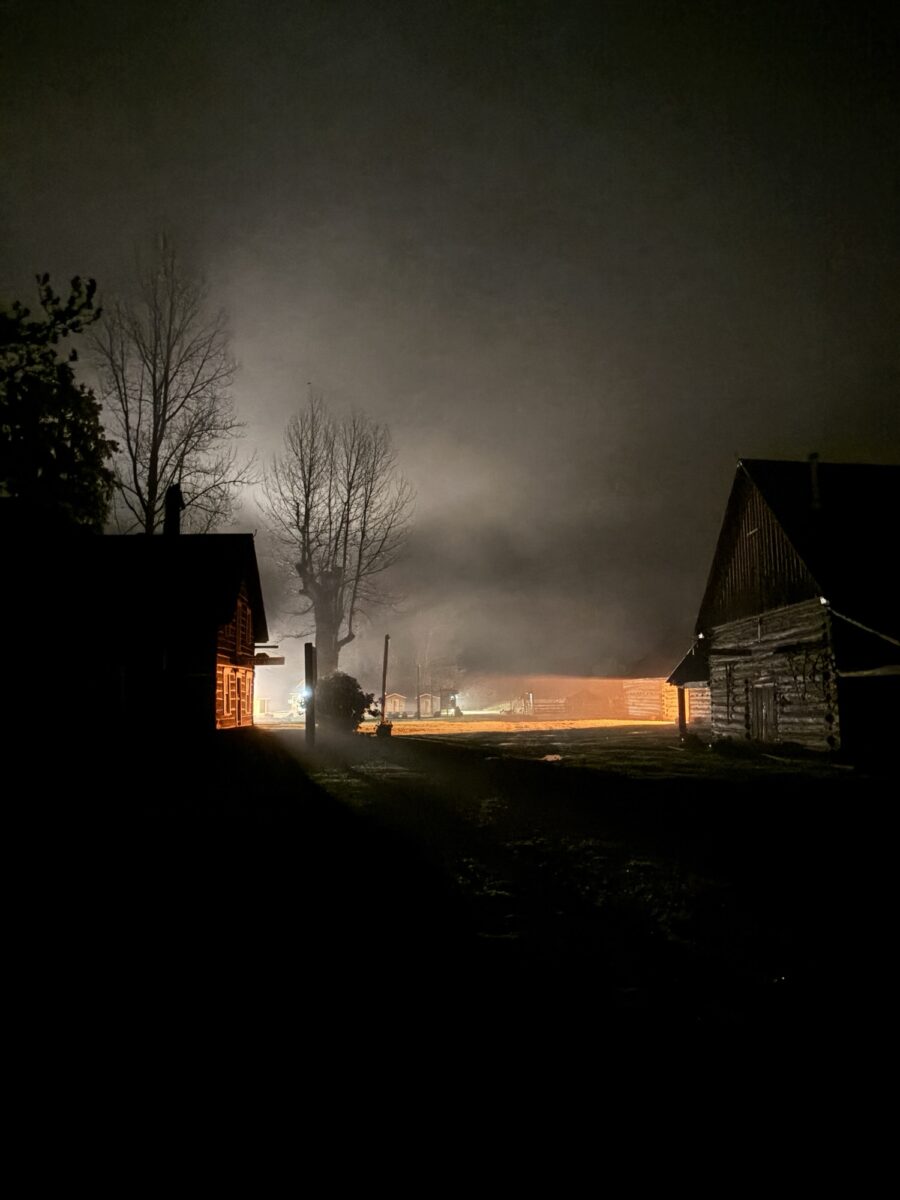
In a multi-night investigation for the series Our Haunted Heritage, paranormal investigators Jacob Rice (Ghostly Activities), Mike Morin, and Anthony Germain (The Paranormal Roadtrippers) documented some of the strongest activity ever recorded at the location.

Here’s everything that happened.

History of Cottonwood House

Cottonwood House served as a vital stop for miners, freighters, and stagecoach travelers heading to Barkerville. John Boyd and his wife Janet raised ten children on the property. Their daughter Ida suffered a severe head injury in a horse accident, lost her eyesight, and died at age nine in a Victoria hospital. John Boyd himself is buried on the grounds.

Today the site is managed by the Barkerville Heritage Trust. Guests and staff frequently report the overwhelming sensation of being watched, disembodied footsteps, and the feeling of being followed.
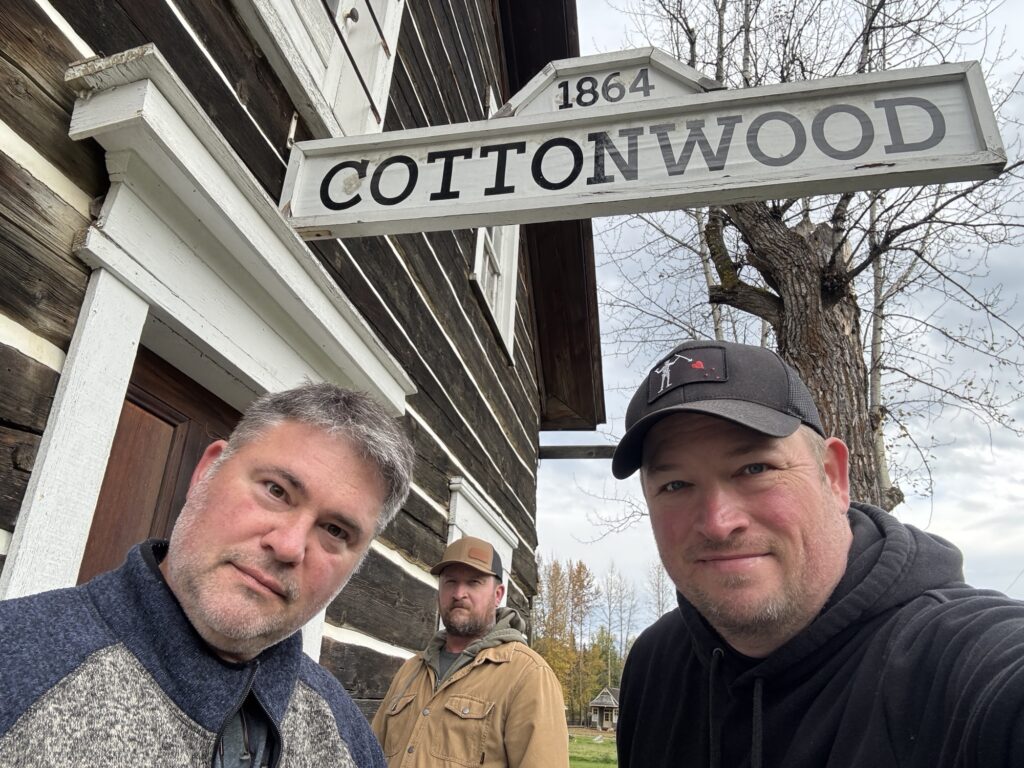
Main House Investigation – Night One

Investigators: Jacob Rice, Mike Morin, and Anthony Germain

The team began in the main house after dark. Within minutes they heard music coming from the upper floor. Footsteps were also heard, though some were later attributed to the creaky wooden structure.

Equipment used:

  • Boo Buddy interactive trigger bear
  • Tracer wire / tripwire
  • Spirit Chat device
  • Wave shell movement sensor
  • Estes method (spirit box + noise-canceling headphones)
  • K-II EMF meters
  • Static and roaming cameras
  • Infrared camera

Key evidence and encounters:

  • Clear Estes responses including “She is coming here” and the repeating phrase “I don’t think I can with her / I don’t seem to get her”
  • Multiple physical sensations: headset being thumped, direct touches, chair rocking, cold spots on the wrist, and the feeling of small fingers running along skin
  • Ground vibration near an investigator’s foot
  • Sensation of pacing and tapping footsteps with no visible source
  • Repeated K-II spikes correlating with questions and physical experiences
  • Boo Buddy and tracer wire activations

The team noted the activity felt intelligent and focused, particularly around a female or child presence.
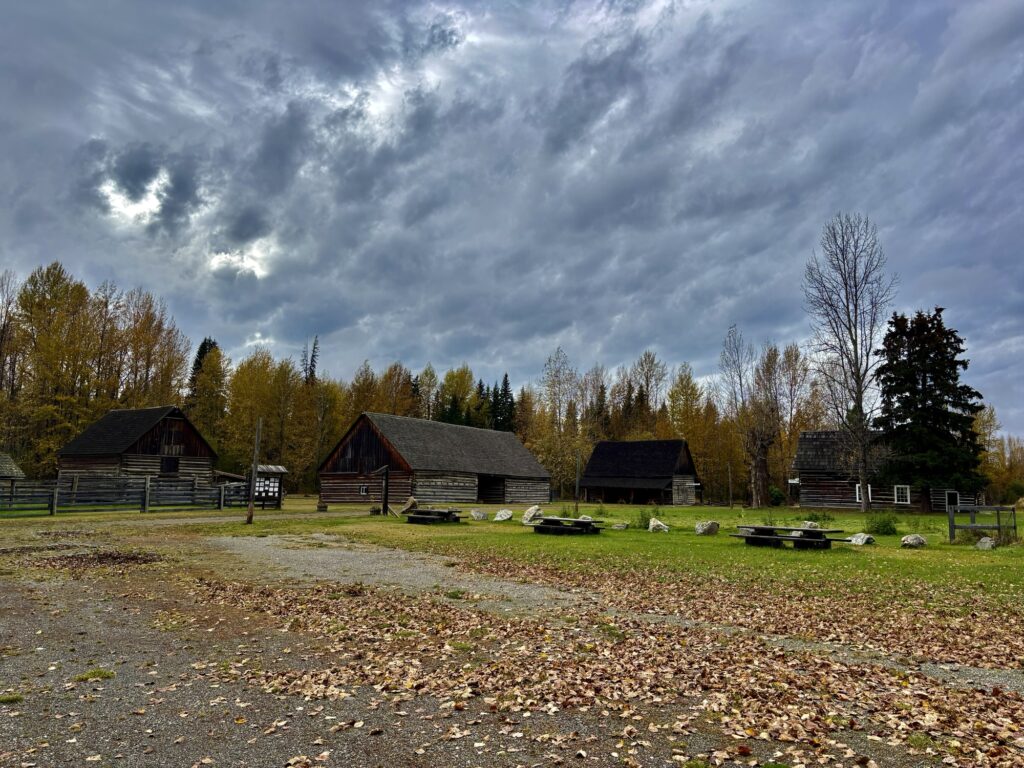
Guest House & Barn – Solo Investigations

The investigators split up for solo sessions in complete darkness.

Guest House

Equipment: Spirit Chat (version 4 / “Lola”), para tripwire, Christmas-lights EMF detector, REM pod

Responses included phrases such as “You can’t leave” and “estate grounds.” The atmosphere was described as significantly heavier and more oppressive than the main house. Rumors of Judge Matthew Baillie Begbie (the “Hanging Judge”) having stayed here added extra tension to the session.
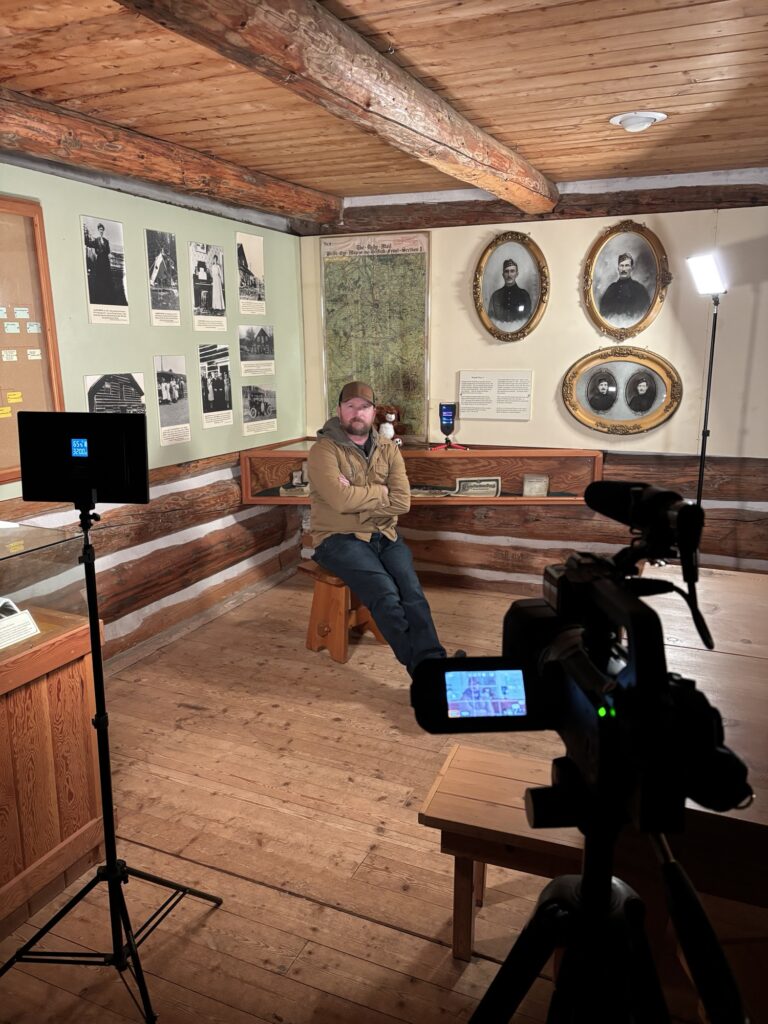
Barn / Tack Barn

Investigator: Mike Morin Equipment: Spirit Chat, SLS camera

This session produced some of the most compelling evidence of the entire investigation:

  • Real-time battery drain on the Spirit Chat (percentage dropping and rising repeatedly)
  • Direct responses: “It’s always me,” “teddy bear,” “diphtheria,” “exorcism,” and “malevolent”
  • Clear “Yes” when asked if the presence used to drive or ride a carriage
  • Mike’s hand went ice-cold; the cold and a touch on his finger were visible on the SLS camera
  • Footsteps heard approaching

Mike described the interaction as highly responsive and physically tangible.
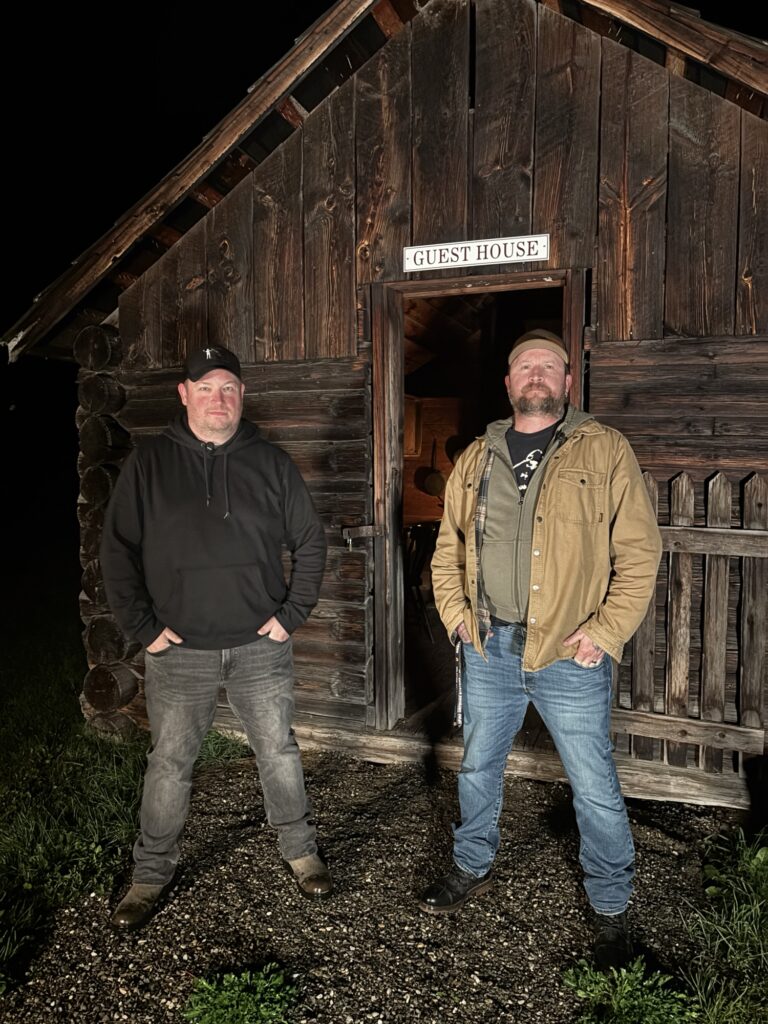
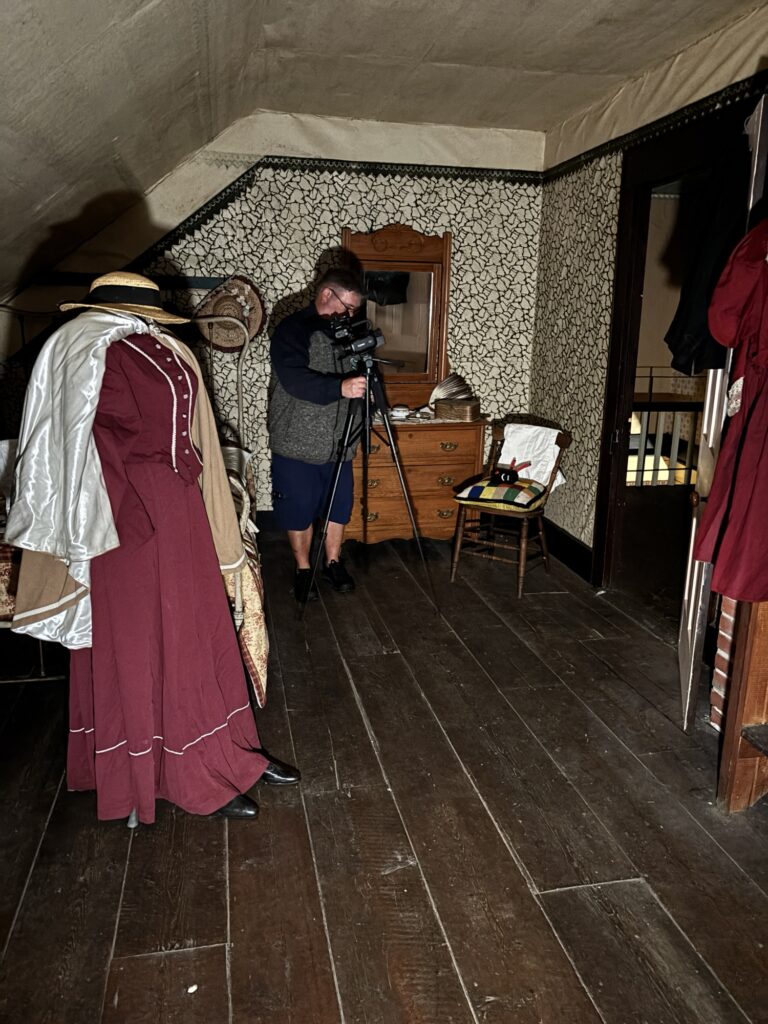
Main House – Night Two (Upstairs Rooms)

Equipment used:

  • Boo Buddy
  • Tracer wire
  • SLS mini
  • E-puck
  • Para shell / wave shell
  • Estes method
  • Candle as a trigger object

Key evidence and encounters:

  • Immediate physical touch on the right side during Estes method
  • Word “nervous” came through as a large presence entered the room
  • Both investigators felt vibrations and footsteps moving beside them
  • Female voice saying “The man,” “I’m over here,” “Come here,” and “Alone”
  • Male voice responding “I’m coming”
  • Sensation of “warm fuzzies” and a strong “electric hug”
  • Response of “Careful” when asking about a young girl
  • Candle (previously inactive the entire investigation) began flickering and extinguishing repeatedly in the girl’s boarding room
  • Temperature fluctuations and continued device hits throughout the children’s room and boarding rooms
Final Thoughts on the Cottonwood House Investigation

Across two nights the team recorded a consistent pattern of intelligent communication, physical interaction, and device correlations. A recurring theme involved a female or child presence, possibly connected to Ida Boyd, alongside other energies tied to the property’s long history as a roadhouse.

The combination of Estes method responses, SLS captures, real-time battery drain, timed EMF spikes, and direct physical touches makes this one of the more compelling documented investigations at a British Columbia heritage site.

Cottonwood House remains open to the public as a historic site during the summer months. Whether you visit for the Gold Rush history or the lingering presence of those who once lived and worked there, many leave with the distinct feeling that they were not alone.

Have you ever experienced anything unusual at Cottonwood House or along the Cariboo Gold Rush Trail? Share your story in the comments below.
Check out the Cottonwood Documentary here!

Ultimate Guide to Ouija Board Origins, Types, and Encounters

The Ouija board—also known as a spirit board or talking board—has fascinated, terrified, and mystified people for over a century. Often depicted in horror films and whispered about in sleepovers, it sits at the crossroads of entertainment and belief. This topic intersects with ouija, paranormal, ghost hunting, spiritualism debates that span generations and shape contemporary attitudes toward unseen forces.

It has roots in spiritualism, stories that traverse generations, and real-life case studies that continue to fuel its enigmatic legacy. Researchers and observers describe both ritualized use and casual curiosity, while critics warn about overestimation of results and misinterpretation of responses. Readers should approach the subject with caution, noting how cultural context influences interpretation and the persistence of fascination.

📜 A Brief History: Where Did the Ouija Board Come From?

The Ouija board’s origins can be traced back to the Spiritualist movement of the 19th century. In the mid-1800s, Spiritualism—the belief that the dead can communicate with the living—was booming, especially in the United States and Europe.

➔ 1850s: The Birth of Talking Boards

Before the modern Ouija, mediums used various techniques to contact spirits, including table-tipping and planchette writing. By the 1850s, “talking boards” were already in use: simple boards with letters and numbers that spirits could use to spell out messages via a planchette or pointer.

➔ 1890: The Official Ouija Board

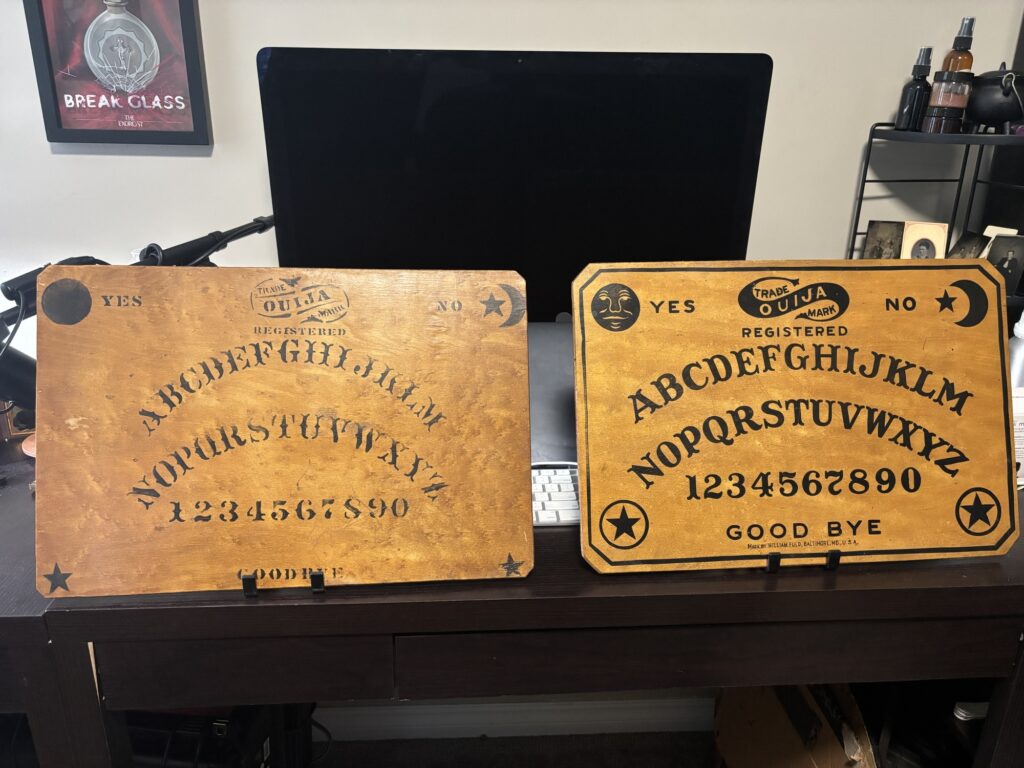
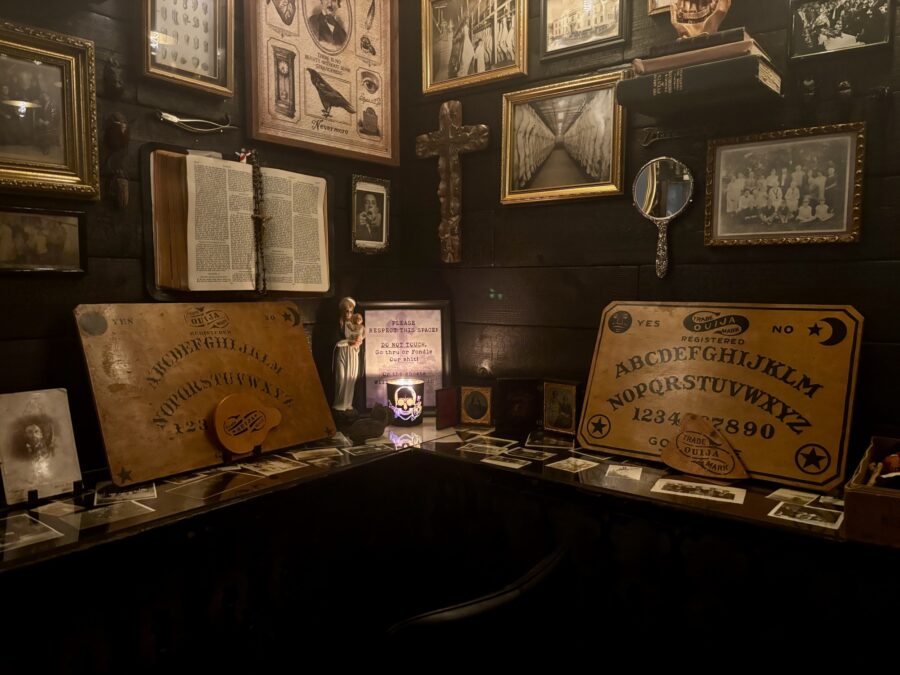
original 1897 board on the left and an original 1912 board on the right

In 1890, Elijah Bond, a Baltimore attorney, patented the “Ouija” board as a novelty game. It was marketed as a “mystical oracle” that answered life’s questions. The name “Ouija” was allegedly revealed during a session and claimed to mean “good luck” in ancient Egyptian—a false etymology, but one that stuck.

➔ William Fuld & Parker Brothers

Soon after, entrepreneur William Fuld took over production and is often credited with popularizing the board. Fuld began manufacturing the boards under the Kennard Novelty Company and later under his own name. He claimed the board had named itself and credited it for his success. Fuld’s promotional efforts and mass production helped turn the Ouija board into a household name by the early 20th century.

Fuld also attributed personal guidance to the board, claiming it advised him in business decisions. Tragically, he died in 1927 after falling from a factory roof—a building that, ironically, the Ouija board supposedly told him to build. His death only added to the mystique and eerie lore surrounding the device.

In the 1960s, Parker Brothers (now owned by Hasbro) bought the rights, giving it mass-market appeal and placing it in toy aisles—ironically next to Monopoly and Scrabble.

🔀 Different Types of Ouija and Spirit Boards

While “Ouija” is a trademarked name, there are various other types of spirit boards with similar functions:

  1. Classic Ouija Board: Letters A–Z, numbers 0–9, and “Yes/No/Goodbye” with a planchette.
  2. Custom Spirit Boards: Often handmade, with added imagery like pentacles, zodiac signs, or runes.
  3. Digital Ouija Apps: Found on smartphones, simulating traditional boards—though many question their authenticity.
  4. Automatic Writing Boards: Incorporate a stylus-like planchette to write messages.
  5. Cursed/Occult Boards: Created for ritualistic or ceremonial magic, sometimes inscribed with arcane symbols.
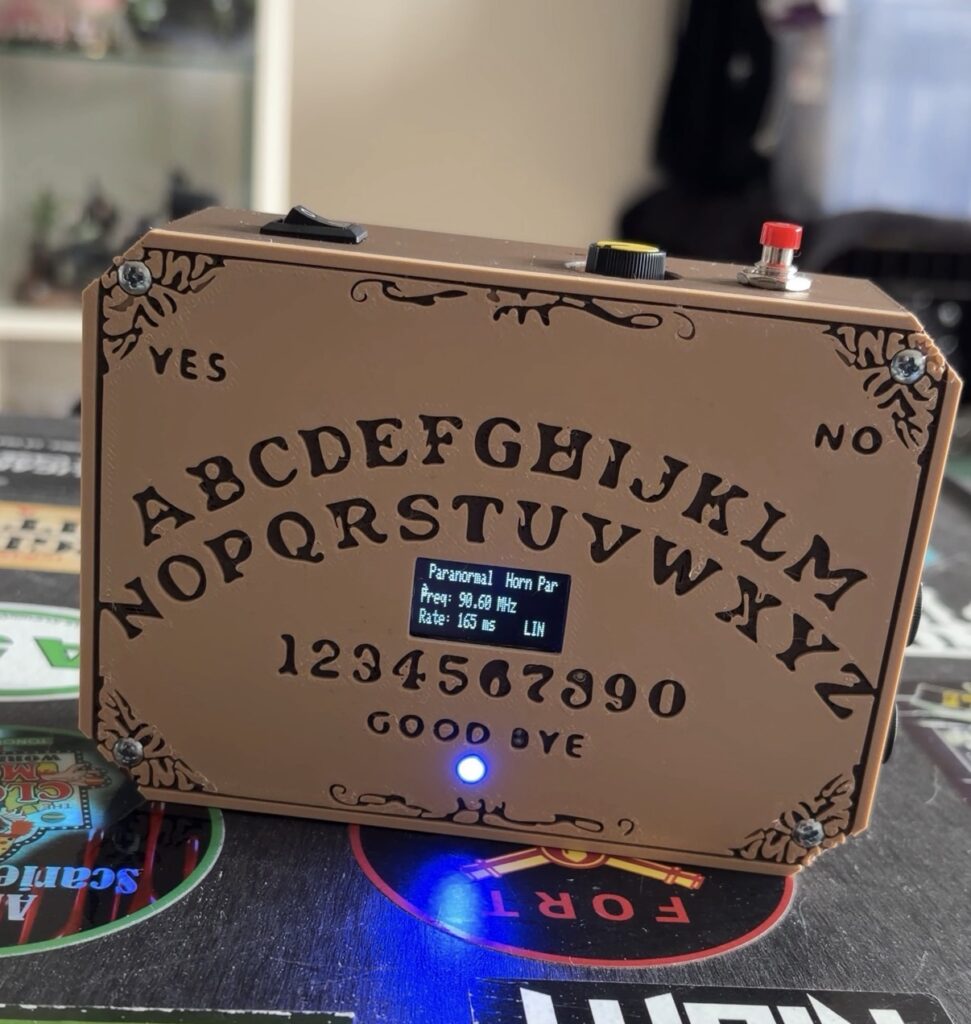
Ouija Spirit Box

👻 Lore, Legends, and Paranormal Encounters

The Ouija board’s rise coincided with tales of hauntings and possession, giving rise to a rich vein of paranormal lore.

Common Beliefs & Superstitions

  • Never play alone – it’s believed to open portals to malevolent entities.
  • Always say goodbye – failing to do so may trap spirits in our world.
  • Don’t ask about death – some say it invites dangerous responses.

These warnings became cemented in pop culture and in urban legends passed down through generations.

📚 Expanded Case Studies: Real Encounters with the Ouija Board

1. The Doris Bither Case (1974) – Culver City, California

Known as the inspiration behind the film The Entity (1982), the Doris Bither case remains one of the most terrifying accounts of paranormal activity tied to spiritual experimentation, including Ouija board use.

Background: Doris Bither was a single mother with four children. She claimed her troubles began after she and a friend used a Ouija board during a seance in her home.

Phenomena Reported:

  • Apparitions of shadowy male figures
  • Violent attacks, including scratches, bruises, and even alleged sexual assaults by invisible entities
  • Disembodied voices and sudden temperature drops

Investigation: Parapsychologists Dr. Barry Taff and Kerry Gaynor from UCLA investigated her home. They witnessed unexplained lights, orbs, and distortions in photographs. In one instance, a greenish mist reportedly formed above Doris’s bed.

Aftermath: Doris moved several times, yet the activity reportedly followed her. Her case remains unresolved and is widely debated in the paranormal community.

2. The Patience Worth Case (1913–1937) – St. Louis, Missouri

This is one of the most famous literary cases linked to a Ouija board and one that challenges rational explanation.

Background: Pearl Curran, a housewife with no formal literary education, began using a Ouija board recreationally. She claimed to make contact with a spirit named Patience Worth, a 17th-century English woman.

Phenomena Reported:

  • Patience began to communicate through Pearl via the Ouija board, dictating poetry, plays, and novels
  • The vocabulary used was archaic and regionally accurate for the time period Patience claimed to be from
  • Over the years, more than 400,000 words were produced, including a novel titled The Sorry Tale which was over 600 pages long

Scholarly Interest: Literary scholars were intrigued by the linguistic complexity and historical consistency of the writings. Some even considered her work noteworthy in its own right.

Aftermath: Pearl’s work was published, and Patience Worth became a literary sensation. To this day, no one has definitively explained the phenomenon.

3. The Zozo Phenomenon (1982–Present) – Global Reports

Unlike most cases tied to specific people or places, the Zozo phenomenon is widespread and disturbing in its consistency.

Background: “Zozo” is a malevolent entity frequently reported by Ouija board users. The name often appears unprompted as the planchette spells it out.

Common Characteristics:

  • Rapid, repetitive movement between letters (especially Z-O-Z-O)
  • Sudden feelings of dread or nausea
  • Planchette spelling out disturbing phrases or threats
  • Aggression toward participants, including psychological or physical distress

Notable Case: In 2009, a man named Darren Evans published his terrifying encounters with Zozo online, detailing possession-like behavior, terrifying dreams, and unexplained phenomena. His story became so well-known that it inspired the horror film I Am Zozo (2012).

Skeptical View: Psychologists argue that once someone reads about Zozo, the ideomotor effect may subconsciously replicate it. Yet Zozo’s name has been documented in older cases—even predating the internet.

4. The Estefanía Gutiérrez Lázaro Case (1990) – Vallecas, Spain

This case is one of Spain’s most infamous paranormal incidents and inspired the critically acclaimed horror movie Verónica (2017).

Background: 18-year-old Estefanía and her classmates attempted to contact a friend’s deceased boyfriend using a Ouija board at school. A teacher interrupted and broke the session—allegedly snapping the board in half.

Phenomena Reported:

  • Shortly after, Estefanía began suffering from seizures, hallucinations, and fits of rage
  • She reported seeing shadowy figures and hearing voices
  • Her family witnessed doors slamming, whispering voices, and mysterious burns on her bedsheets

Death and Police Report: Estefanía died mysteriously six months later. Her autopsy revealed no conclusive cause of death. Afterward, her family continued to experience disturbing phenomena, prompting them to contact the police.

Police Report: Officer José Pedro Negri filed an official report after witnessing unexplained activity in the home, including:

  • crucifix that inverted itself
  • Unexplained cold spots
  • Cupboards opening and closing on their own

This is one of the few paranormal cases with an official police document citing unexplained occurrences.

5. The Ouija Murder Case: Carole Compton (1982) – Italy

Though not as widely known, this chilling case involves accusations of witchcraft, arson, and possible Ouija board use.

Background: Scottish nanny Carole Compton was accused of being a witch after a series of strange events occurred in the Italian household she worked in.

Phenomena Reported:

  • Fires breaking out spontaneously
  • Religious items being damaged or displaced
  • Unearthly voices and poltergeist-like activity

Connection to Ouija: Reports indicated that Carole and others may have used a spirit board before the disturbances began. Italian authorities and locals believed she had invited something in.

Trial and Aftermath: Carole was arrested and faced trial for attempted murder and arson. She was eventually acquitted of witchcraft and murder but served over a year in jail. She later published a memoir, Superstition, detailing the ordeal.

🎥 Pop Culture and the Ouija Board

The board has starred in countless horror films—The Exorcist (1973) being one of the most influential. In it, young Regan contacts Captain Howdy using a Ouija board, leading to her possession. Films like Ouija (2014) and shows like Stranger Things continue to reinforce its haunting reputation.

⚠️ Skepticism vs. Belief

Many scientists attribute Ouija phenomena to the ideomotor effect—unconscious muscle movements causing the planchette to move. Despite that, the emotional and psychological impact of Ouija experiences can be very real.

Paranormal researchers argue that even if the mechanics are explainable, the consistent experiences across cultures suggest something deeper—perhaps a psychic connection or a psychological opening to other realms.


🧠 Final Thoughts: Tool, Toy, or Portal?

Whether seen as a party game, a divination tool, or a doorway to something darker, the Ouija board has etched itself into modern mythology. Its mix of history, mystique, and terror continues to enchant and disturb.

Use with caution—or curiosity—but always say goodbye.

Powered by WordPress & Theme by Anders Norén