History has a voice and we want to listen

Category: Paranormal Travel

Haunted Cottonwood Roadhouse: There Was Something Terrifying

Investigators spent nights at the haunted Cottonwood House near Barkerville. See the real Estes responses, physical touches, SLS captures, and evidence they caught.

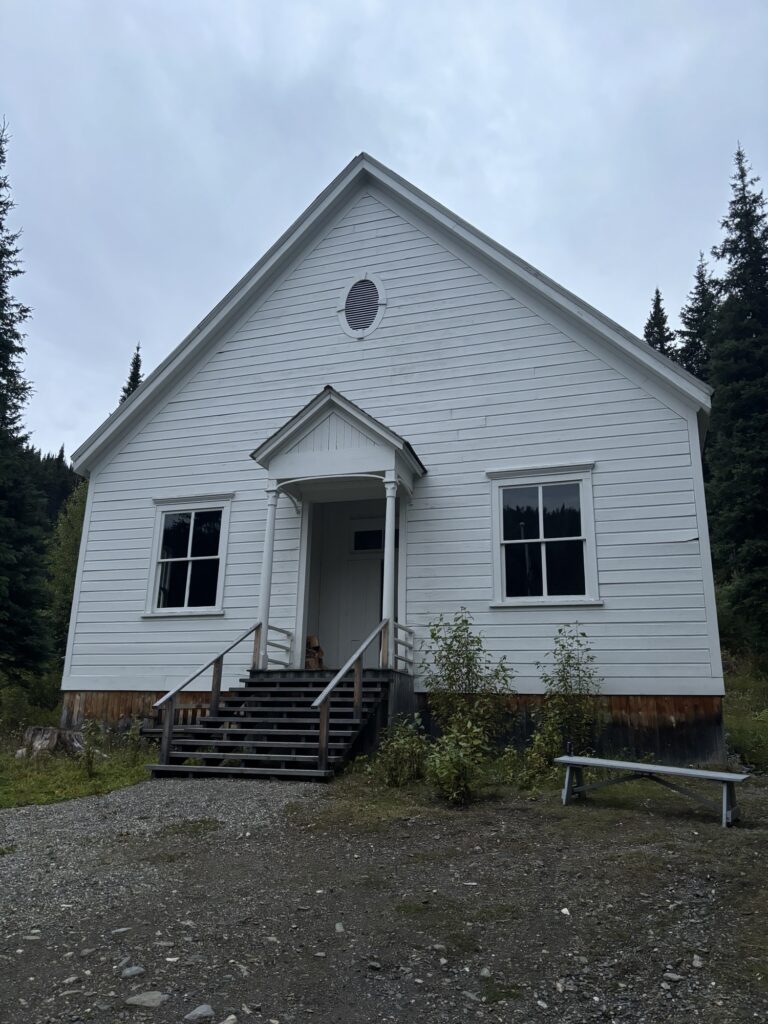
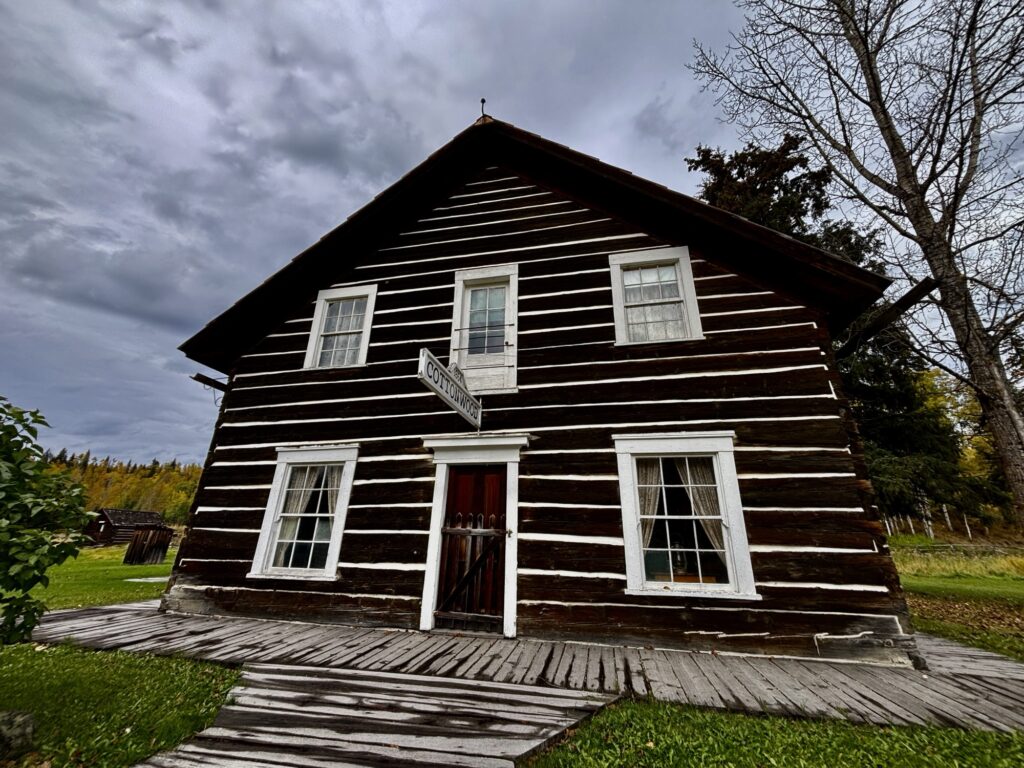
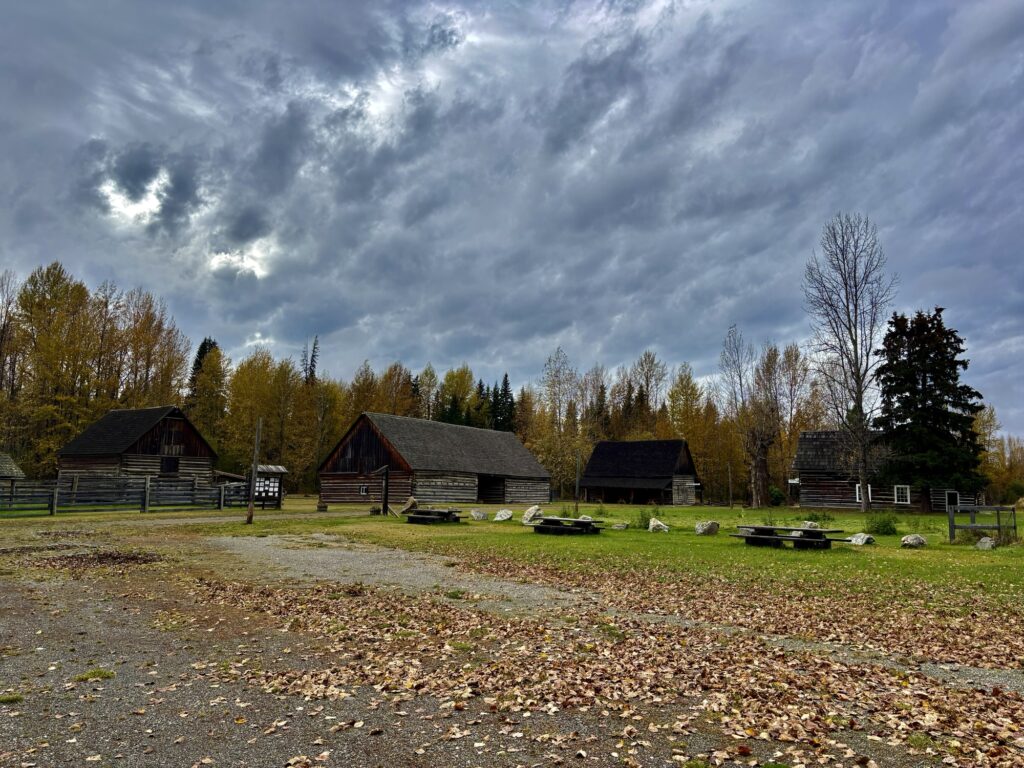
Along the historic Cariboo Wagon Road between Quesnel and Barkerville, British Columbia, stands Cottonwood House Historic Site — one of the last surviving 1860s roadhouses from the Gold Rush era. Built in the mid-1860s and operated for three generations by the Boyd family, this remote property has long been the subject of staff and visitor reports of unexplained activity.
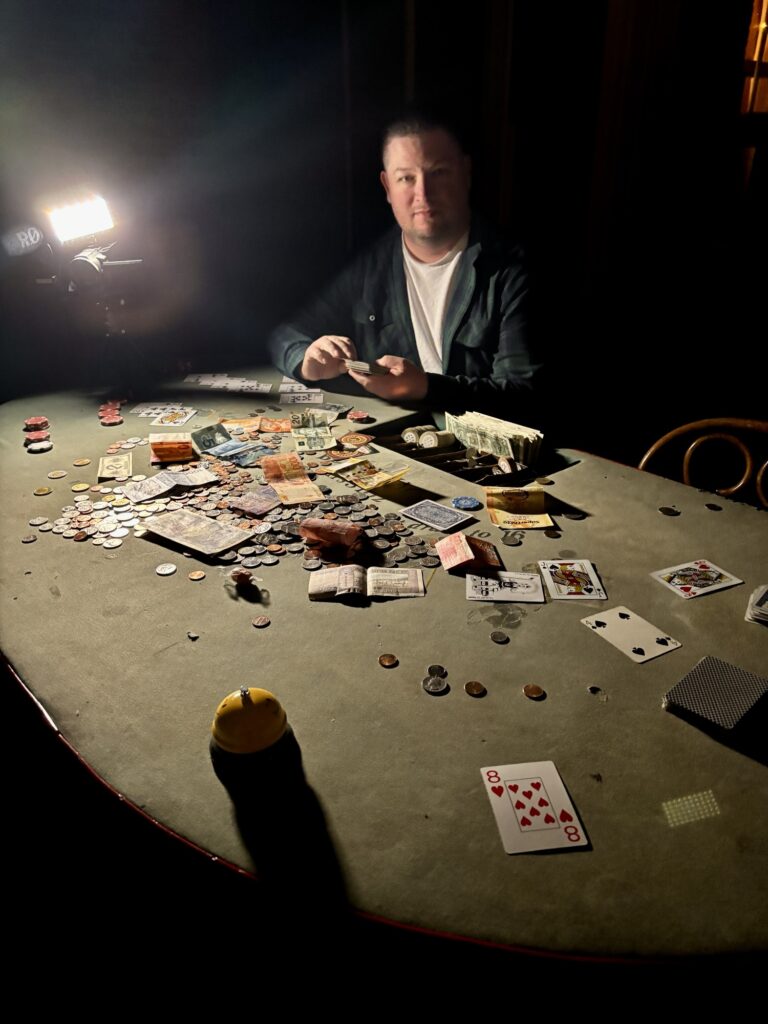
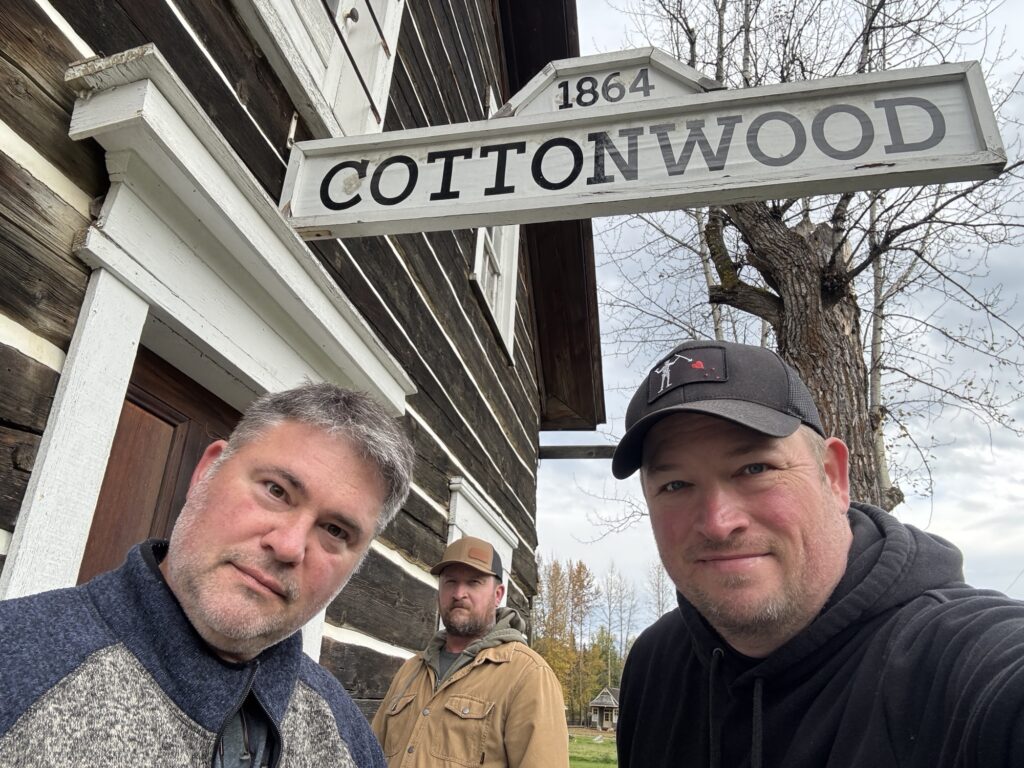
In a multi-night investigation for the series Our Haunted Heritage, paranormal investigators Jacob Rice (Ghostly Activities), Mike Morin, and Anthony Germain (The Paranormal Roadtrippers) documented some of the strongest activity ever recorded at the location.

Here’s everything that happened.

History of Cottonwood House

Cottonwood House served as a vital stop for miners, freighters, and stagecoach travelers heading to Barkerville. John Boyd and his wife Janet raised ten children on the property. Their daughter Ida suffered a severe head injury in a horse accident, lost her eyesight, and died at age nine in a Victoria hospital. John Boyd himself is buried on the grounds.

Today the site is managed by the Barkerville Heritage Trust. Guests and staff frequently report the overwhelming sensation of being watched, disembodied footsteps, and the feeling of being followed.
Main House Investigation – Night One

Investigators: Jacob Rice, Mike Morin, and Anthony Germain

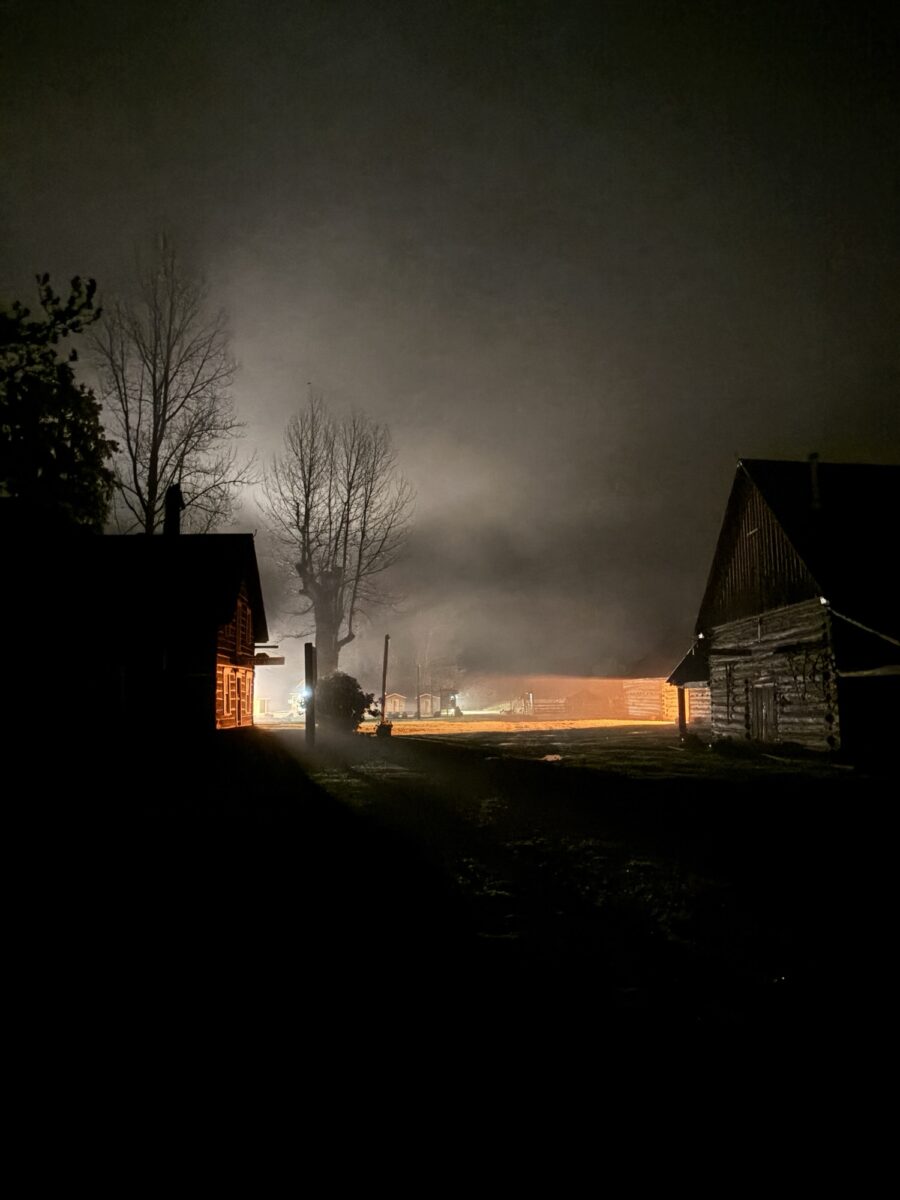
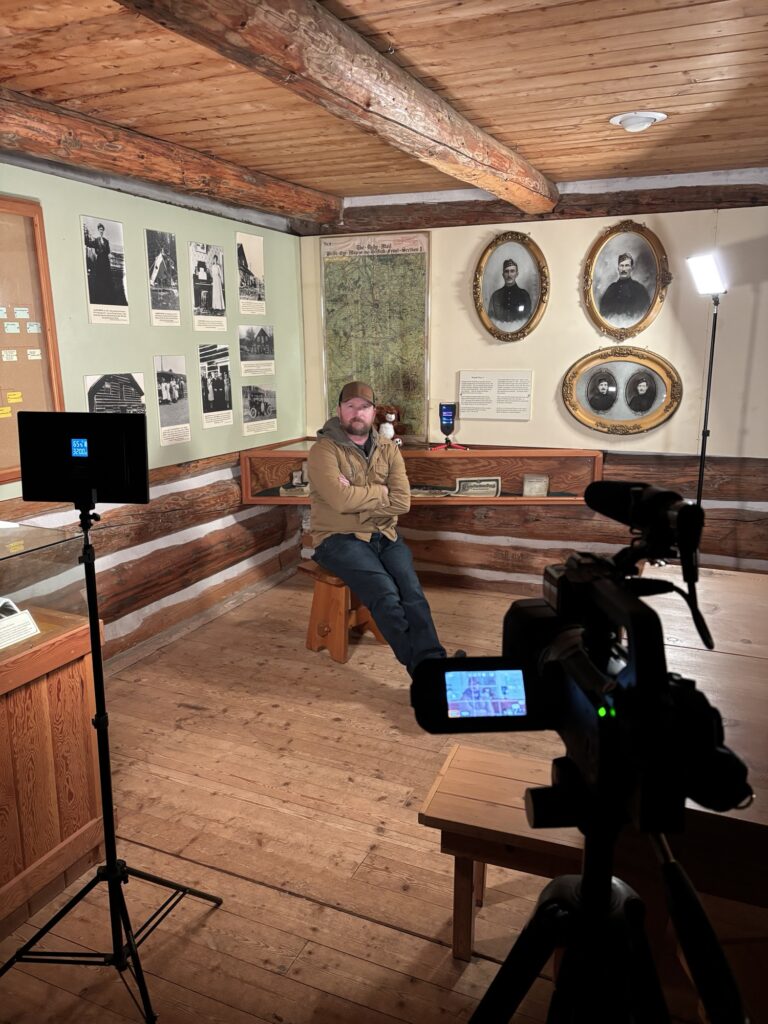
The team began in the main house after dark. Within minutes they heard music coming from the upper floor. Footsteps were also heard, though some were later attributed to the creaky wooden structure.

Equipment used:

  • Boo Buddy interactive trigger bear
  • Tracer wire / tripwire
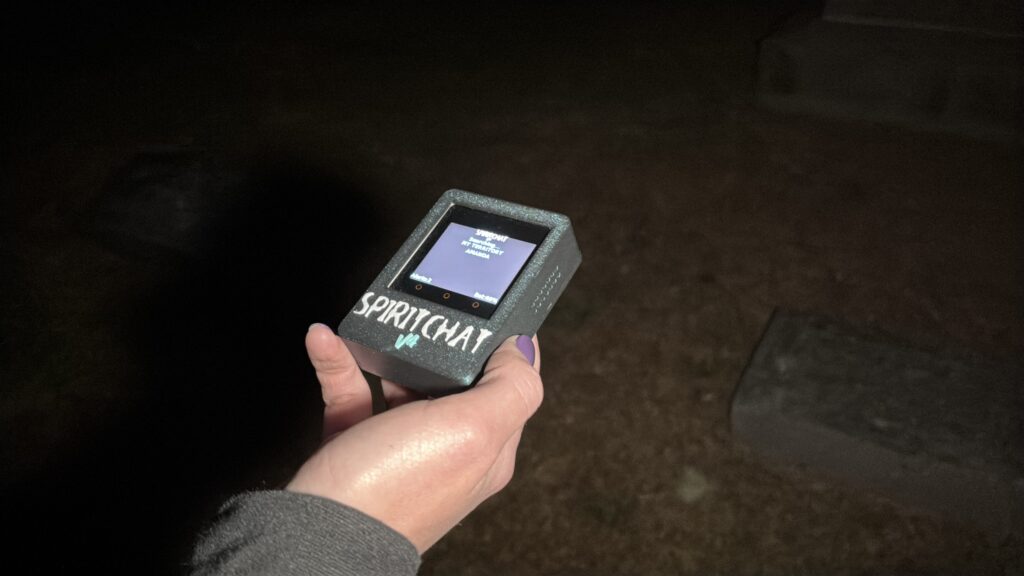
  • Spirit Chat device
  • Wave shell movement sensor
  • Estes method (spirit box + noise-canceling headphones)
  • K-II EMF meters
  • Static and roaming cameras
  • Infrared camera

Key evidence and encounters:

  • Clear Estes responses including “She is coming here” and the repeating phrase “I don’t think I can with her / I don’t seem to get her”
  • Multiple physical sensations: headset being thumped, direct touches, chair rocking, cold spots on the wrist, and the feeling of small fingers running along skin
  • Ground vibration near an investigator’s foot
  • Sensation of pacing and tapping footsteps with no visible source
  • Repeated K-II spikes correlating with questions and physical experiences
  • Boo Buddy and tracer wire activations

The team noted the activity felt intelligent and focused, particularly around a female or child presence.
Guest House & Barn – Solo Investigations

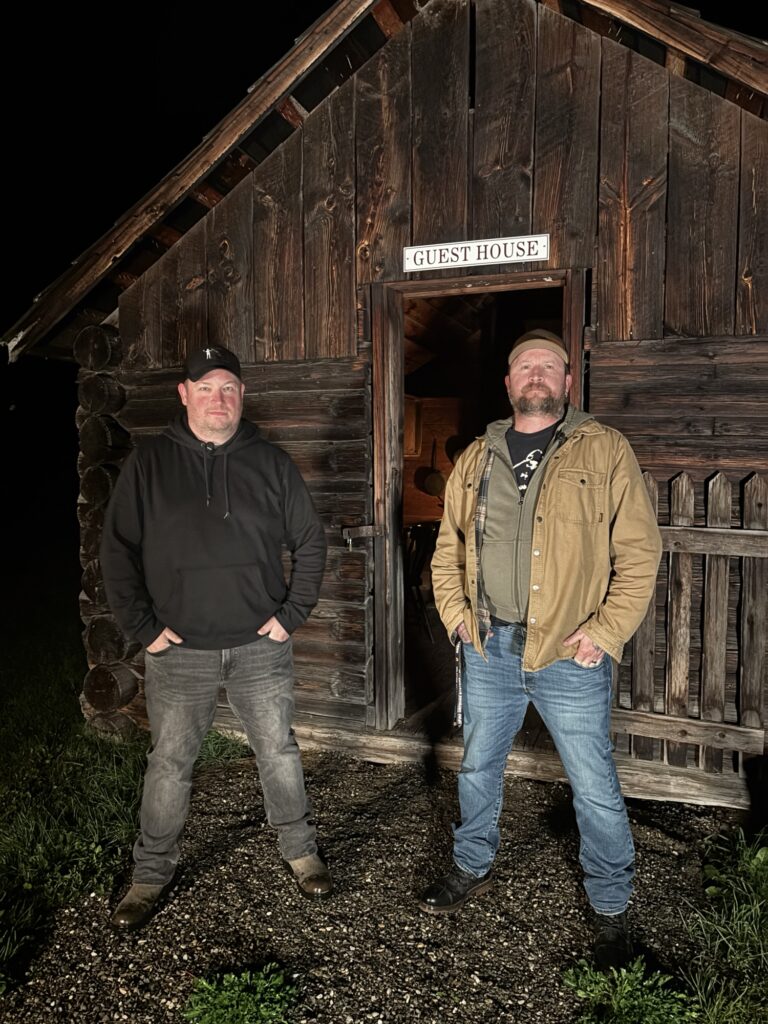
The investigators split up for solo sessions in complete darkness.

Guest House

Equipment: Spirit Chat (version 4 / “Lola”), para tripwire, Christmas-lights EMF detector, REM pod

Responses included phrases such as “You can’t leave” and “estate grounds.” The atmosphere was described as significantly heavier and more oppressive than the main house. Rumors of Judge Matthew Baillie Begbie (the “Hanging Judge”) having stayed here added extra tension to the session.
Barn / Tack Barn

Investigator: Mike Morin Equipment: Spirit Chat, SLS camera

This session produced some of the most compelling evidence of the entire investigation:

  • Real-time battery drain on the Spirit Chat (percentage dropping and rising repeatedly)
  • Direct responses: “It’s always me,” “teddy bear,” “diphtheria,” “exorcism,” and “malevolent”
  • Clear “Yes” when asked if the presence used to drive or ride a carriage
  • Mike’s hand went ice-cold; the cold and a touch on his finger were visible on the SLS camera
  • Footsteps heard approaching

Mike described the interaction as highly responsive and physically tangible.
Main House – Night Two (Upstairs Rooms)

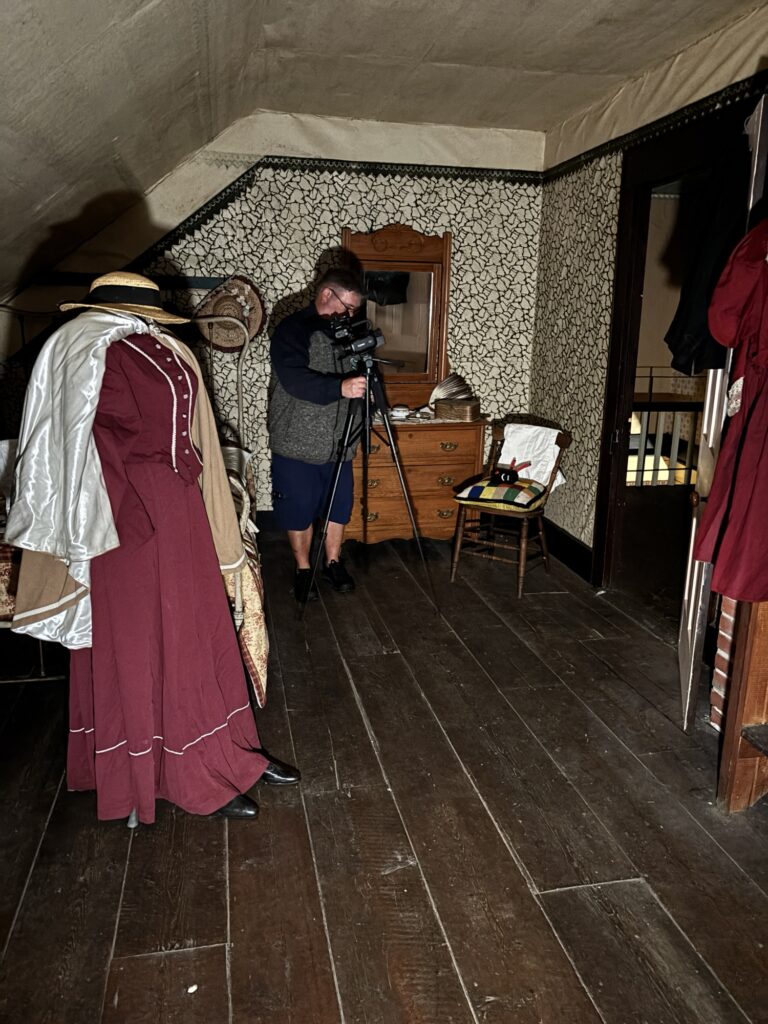
Equipment used:

  • Boo Buddy
  • Tracer wire
  • SLS mini
  • E-puck
  • Para shell / wave shell
  • Estes method
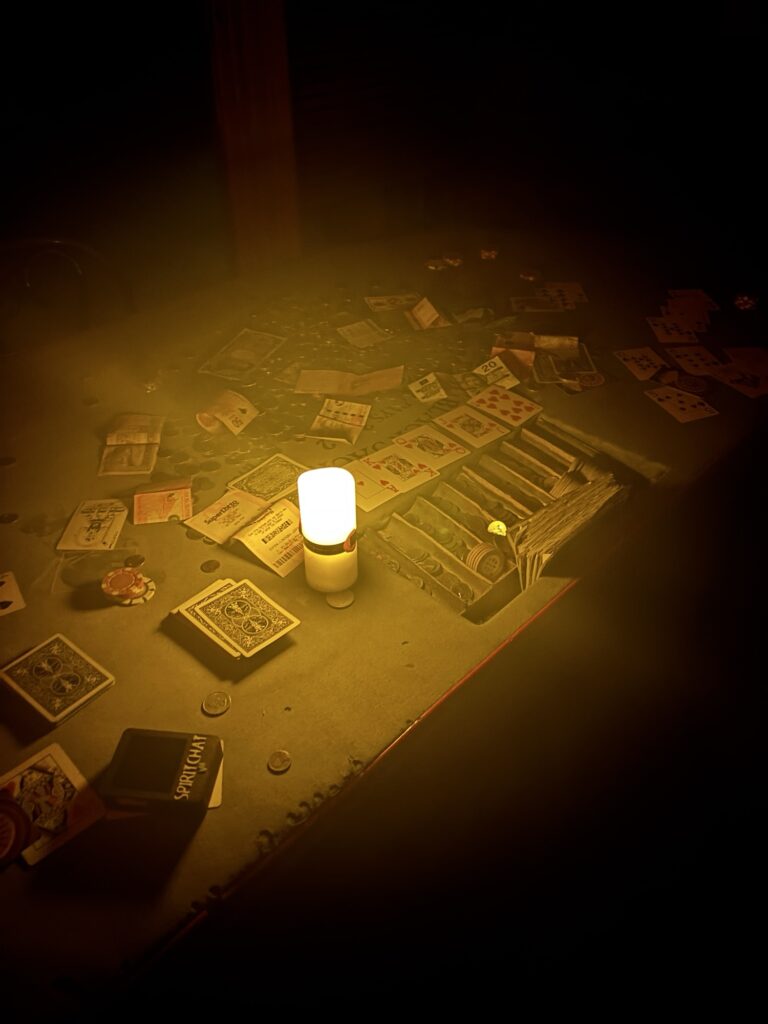
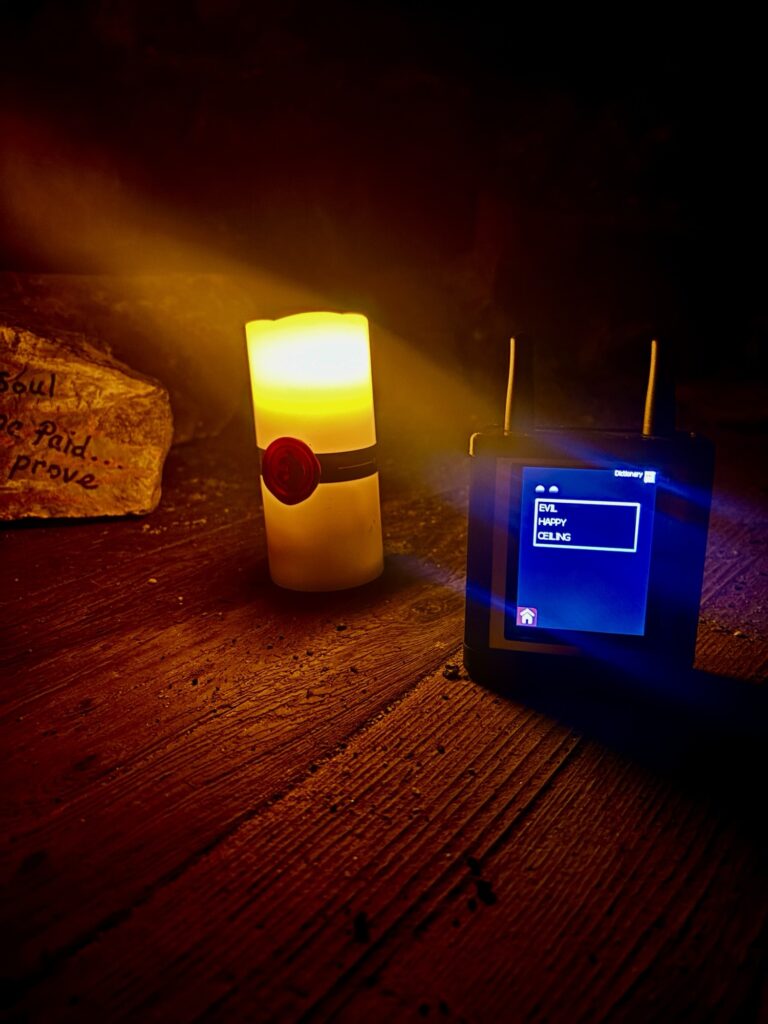
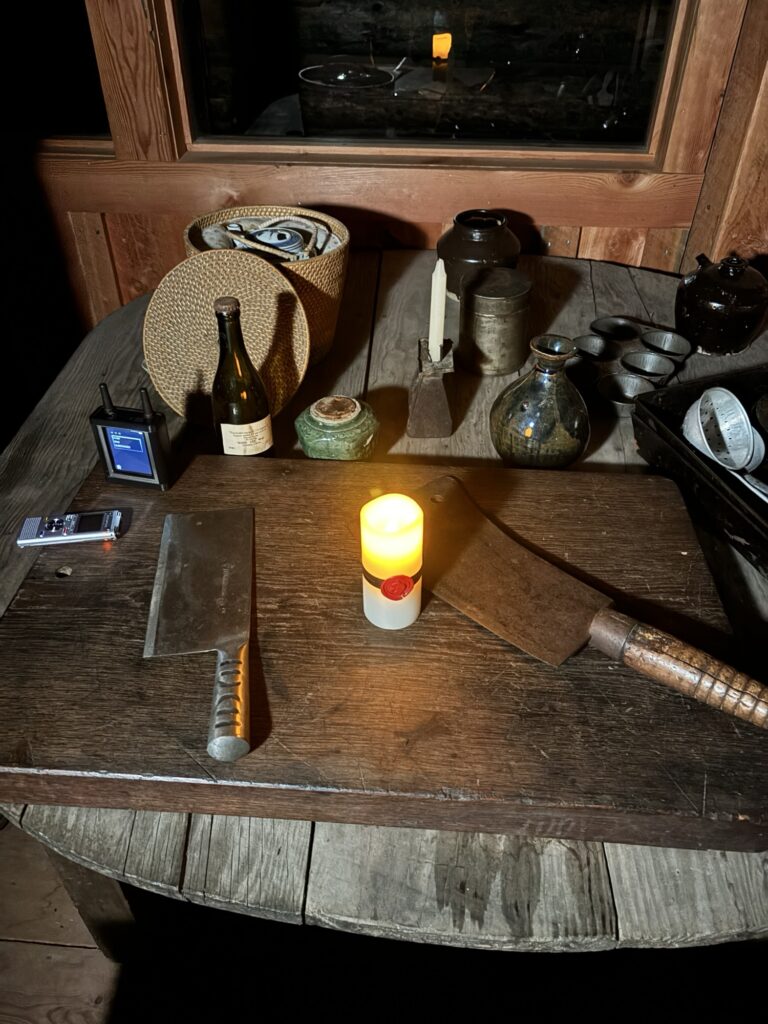
  • Candle as a trigger object

Key evidence and encounters:

  • Immediate physical touch on the right side during Estes method
  • Word “nervous” came through as a large presence entered the room
  • Both investigators felt vibrations and footsteps moving beside them
  • Female voice saying “The man,” “I’m over here,” “Come here,” and “Alone”
  • Male voice responding “I’m coming”
  • Sensation of “warm fuzzies” and a strong “electric hug”
  • Response of “Careful” when asking about a young girl
  • Candle (previously inactive the entire investigation) began flickering and extinguishing repeatedly in the girl’s boarding room
  • Temperature fluctuations and continued device hits throughout the children’s room and boarding rooms
Final Thoughts on the Cottonwood House Investigation

Across two nights the team recorded a consistent pattern of intelligent communication, physical interaction, and device correlations. A recurring theme involved a female or child presence, possibly connected to Ida Boyd, alongside other energies tied to the property’s long history as a roadhouse.

The combination of Estes method responses, SLS captures, real-time battery drain, timed EMF spikes, and direct physical touches makes this one of the more compelling documented investigations at a British Columbia heritage site.

Cottonwood House remains open to the public as a historic site during the summer months. Whether you visit for the Gold Rush history or the lingering presence of those who once lived and worked there, many leave with the distinct feeling that they were not alone.

Have you ever experienced anything unusual at Cottonwood House or along the Cariboo Gold Rush Trail? Share your story in the comments below.
Check out the Cottonwood Documentary here!

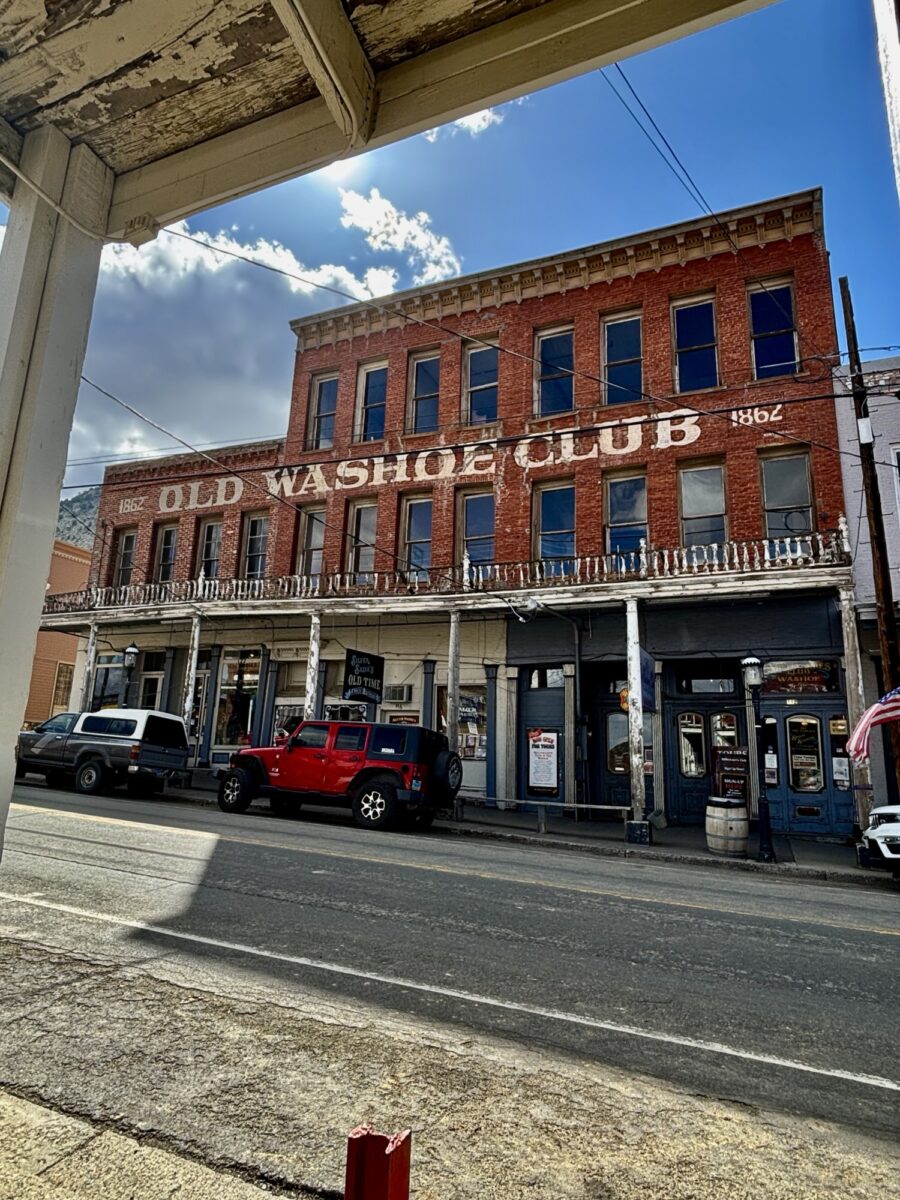
Shadow Man in Hallway, Hostile EVP at Washoe Club

Virginia City’s most famous haunted saloon still delivers history and atmosphere.

Paranormal activity at the Washoe Club adds real tales of the supernatural.

Introduction

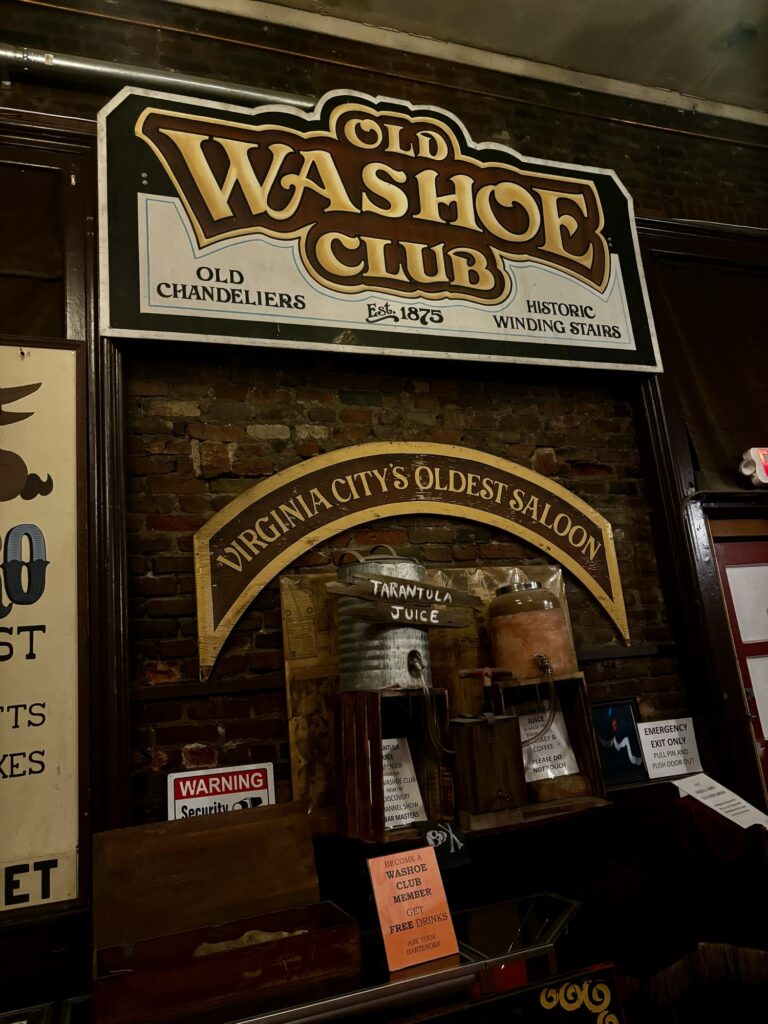
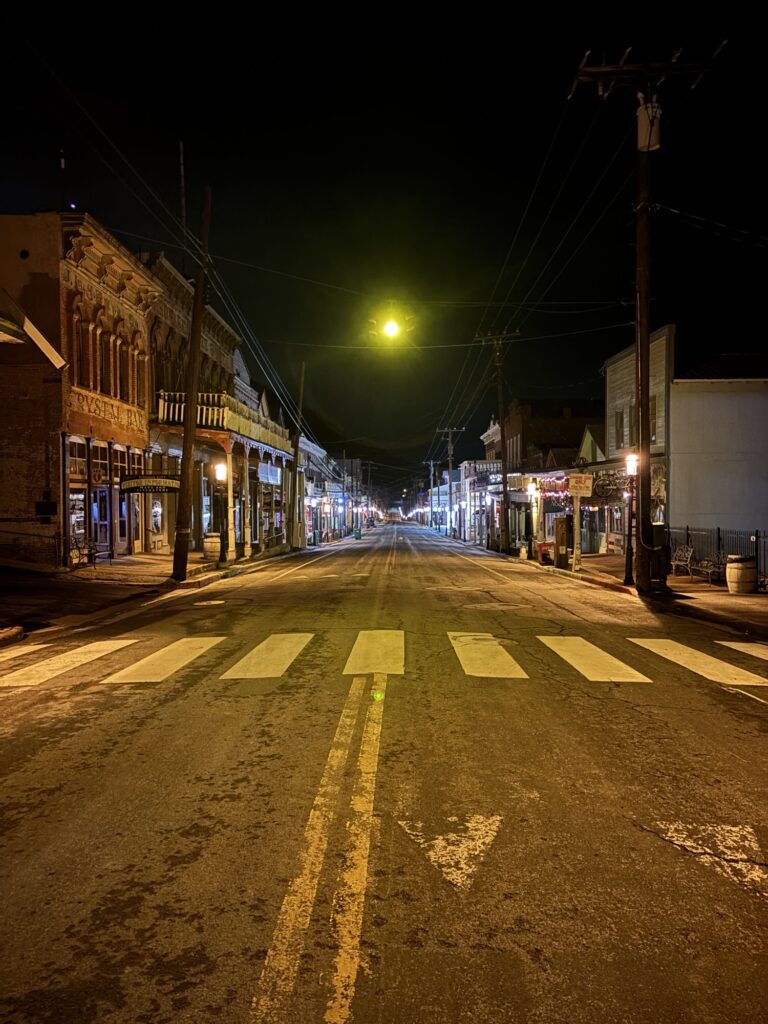
Virginia City, Nevada. The Washoe Club.

The staff handed us the keys for a full overnight lock-in at the infamous Washoe Club. What followed was a mix of history, hospitality, and paranormal activity at the Washoe Club we’ve captured recently.


History of the Washoe Club

The Washoe Club opened in 1875 during the Comstock Lode silver boom.

Builders created it as an exclusive private club for Virginia City’s elite.

Paranormal activity at the Washoe Club is part of its legendary history.

The building featured fine furnishings, private poker rooms, and the iconic spiral staircase that still stands today.

By 1897 the silver boom had faded and the exclusive club closed. The ground-floor saloon continued operating, while the upper floors remained largely unused for decades.

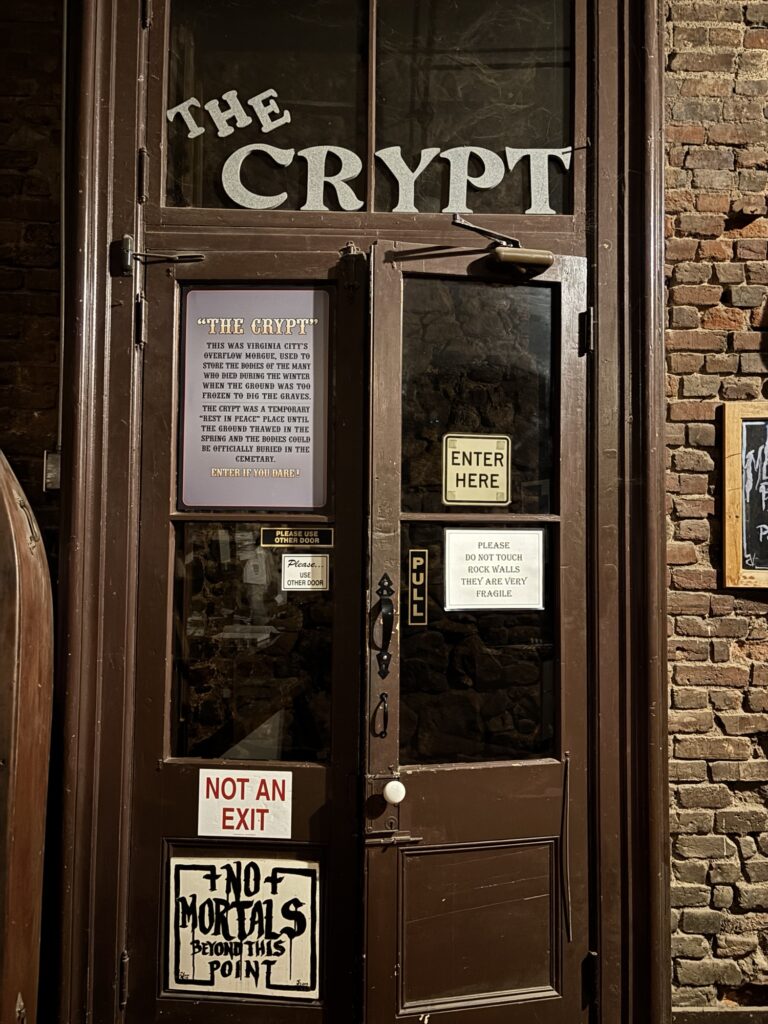
Authorities reportedly used the building as a temporary morgue during harsh winters. Officials stored bodies from mining accidents inside when the ground was too frozen to dig graves. A horse-drawn carriage struck a young girl; people carried her upstairs to a doctor’s office where she died. These deaths tie the property to the incident. According to reports, Lena, known as the Lady in Blue, was murdered in the building. People still report her apparition near the spiral staircase.

People have reported shadow figures, footsteps, and physical interactions (including scratches) for decades. The location has appeared on Ghost Adventures, Ghost Hunters, and numerous independent investigations.

Today the Washoe Club operates as both a historic saloon and haunted museum, offering daily ghost tours and private overnight lock-ins.


Atmosphere & Service

The staff at the Washoe Club were professional, knowledgeable, and welcoming. They handled the overnight arrangement smoothly and gave us full access without unnecessary restrictions.

The atmosphere is excellent.

The ground-floor saloon retains genuine Old West character with dark wood.

Historic details and a strong sense of place define the space.

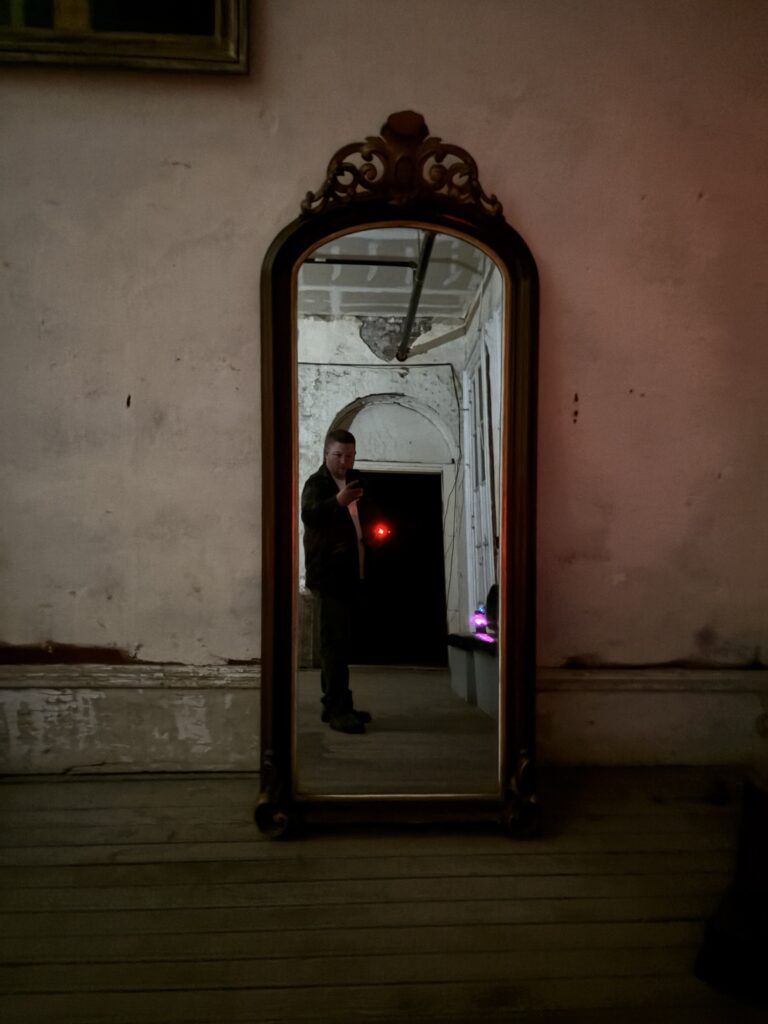
Even before the investigation began, the building carried a heavy, charged energy.

Serious investigators immediately notice it.

It is one of the rare locations that successfully combines authentic history with real potential for activity.


Equipment Used

We ran a focused kit for both communication and environmental monitoring:

  • SB7 Pro Spirit Box – continuous radio-sweep device
  • Spirit Chat – Ovilus-style word bank device
  • REM Pods – proximity and EMF-reactive sensors
  • Wave Shell – motion sensor
  • EMF Candle – simple visual EMF indicator
  • Multiple digital voice recorders
  • Full-spectrum and night-vision cameras

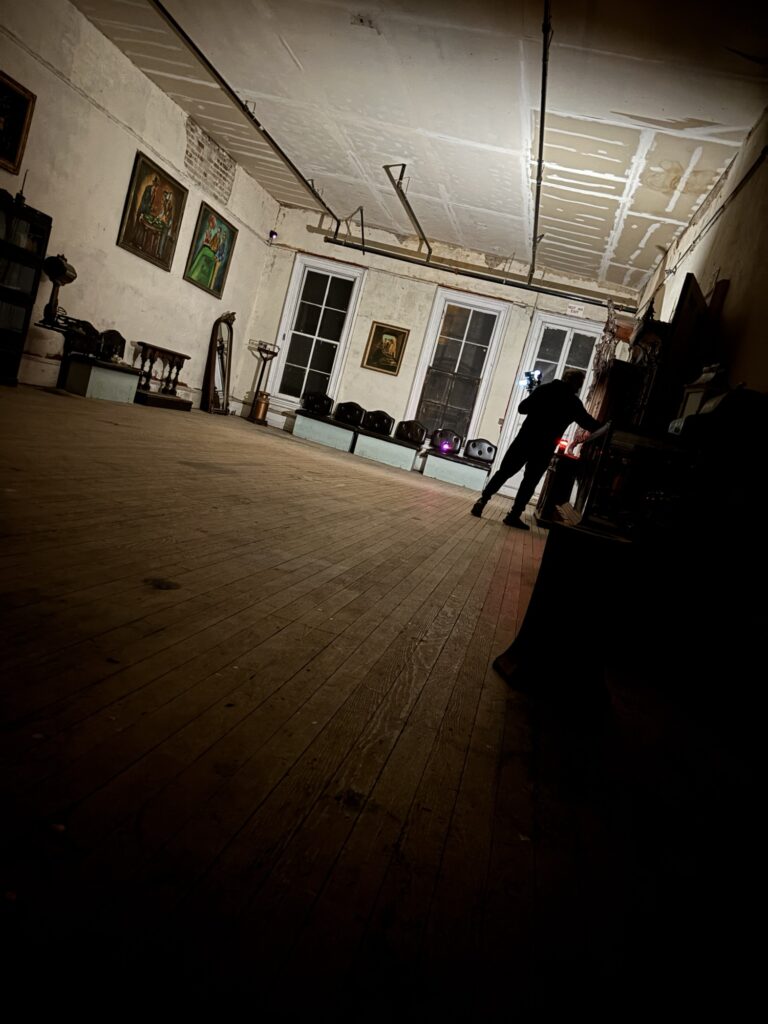
We placed the base camp on the ground floor. Primary investigation took place on the second and third floors.


Investigation Breakdown

Arrival & Setup (7:00 p.m.) We received exclusive access to all three floors. After a short walkthrough we moved upstairs to begin.

The young girl’s story, recounting that she died here after a carriage accident, ties this room to that tale. We introduced ourselves and invited communication.

The Spirit Chat responded quickly with:

  • “George”
  • “Symbols”
  • “Gave advice”
  • “Hidden grave”
  • “Harbor”

When we mentioned the building’s use as a winter morgue, the device replied with “hidden grave.” Both investigators noted cold spots and unbalanced physical sensations in specific areas of the room.

Second Floor – Millionaires’ Poker Room We left money on the table (as previous visitors have done) and invited any former members to interact.

Responses became more direct and darker:

  • “I am evil… but I am equal.”
  • “Fatal.”

Shortly after asking if the presence had died in the building, Mike saw movement in the hallway.

The investigators observed a dark figure. The dark figure caused a clear physical push. Both investigators heard movement further down the hall at the same time.

Audio review later revealed a sharp, aggressive EVP — a distinct “fuck off” — timed with the hallway encounter. It did not come from either investigator or the Spirit Chat.

Additional responses in this area included:

  • “Nursery”
  • “Throat”
  • “Cold hair”
  • “Don’t touch” (triggered when a surface was brushed)
  • “Revoked”

A young girl’s voice was also captured on audio — soft and clearly different in tone from the darker responses.

Third Floor & Remaining Areas The sensation of being watched and followed intensified. Unexplained sounds were noted. The overall energy remained territorial and charged, consistent with long-standing reports of shadow figures on the upper floors.

Activity came in waves throughout the night rather than remaining constant.

Wind-Down (Approaching 7:00 a.m.) As daylight returned the building grew quieter. We collected equipment, completed a final walkthrough, and locked up.


Key Evidence Captured

  • Visual of a shadow figure in the hallway at the moment we asked it to appear
  • Clear physical push during the hallway encounter
  • Aggressive and relevant Spirit Chat responses (“I am evil… but I am equal,” “Fatal,” “hidden grave,” “Don’t touch”)
  • Distinct hostile EVP (“fuck off”) timed with the hallway event
  • Young girl’s voice on audio
  • Multiple cold spots and unbalanced physical sensations
  • Persistent feeling of being watched and followed on the upper floors

Final Thoughts

The Washoe Club continues to live up to its reputation. The history is substantial, the atmosphere is strong, the staff make the experience professional and smooth, and the activity can be direct when it chooses to engage.

We left at sunrise with several compelling moments and a clear respect for whatever still occupies the upper floors.

If you are considering a visit or overnight investigation, the Washoe Club is worth it. Just be prepared that not every presence here is interested in a friendly conversation.


Barkerville: The Ultimate Gold Rush Town That Never Sleeps

Three nights. One of Canada’s most legendary ghost towns and a chapter in barkerville history. Zero sleep.

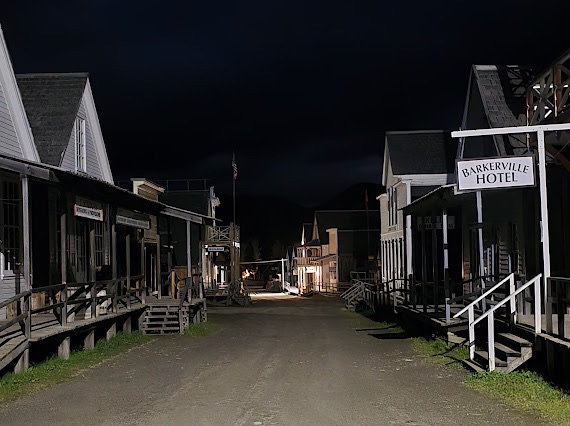
Welcome to Barkerville, British Columbia — part of barkerville history as a legendary gold-rush boomtown.

The History That Still Walks These Streets

It all started in 1862. English prospector Billy Barker — a former sailor who had already chased gold in California and the Fraser Canyon — sank a shaft 52 feet deep on Williams Creek against everyone’s advice. On August 17 he hit the lead. In the first day alone his crew pulled out 60 ounces of gold. That single strike triggered one of the richest placer gold rushes in North American history. Over the next decades more than five million ounces would come out of the Cariboo goldfields.

Within three years Barkerville exploded into the largest town north of San Francisco and west of Chicago. Estimates put the peak population between 5,000 and 10,000 people crammed into a muddy, chaotic, hard-drinking boomtown of saloons, hotels, stores, a theater, a library, and every vice imaginable. The Cariboo Wagon Road — a 650-kilometre engineering nightmare completed in 1865 — poured fortune-seekers, freight, and ambition straight into its streets.

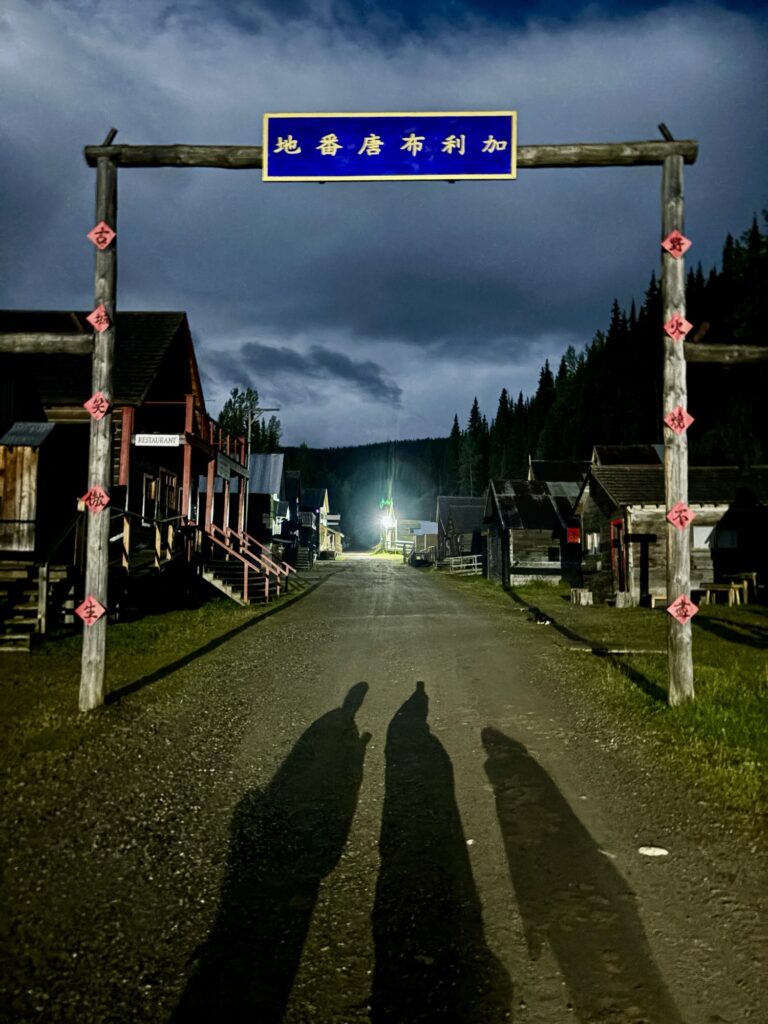
Then came the Chinese. In barkerville history, by the mid-1880s they formed roughly half the population. Thousands of men, mostly from Guangdong, built one of the oldest and most complete Chinatowns in Western North America. They ran restaurants, stores, boarding houses, and benevolent societies like the Chee Kung Tong. They worked the claims white miners had already abandoned, endured brutal discrimination, and still dreamed of sending enough money (or their bones) home so their souls could rest with their ancestors.

On September 16, 1868, a fire started in a saloon around 2:30 in the afternoon. In less than 90 minutes the entire town was gone — 116 buildings reduced to ash. No one died, but the loss was catastrophic. The survivors did something almost unbelievable: they rebuilt 90 buildings in just six weeks, wider streets this time, stronger, more permanent.

Through it all rode Judge Matthew Baillie Begbie, the towering 6’5″ circuit judge nicknamed the “Hanging Judge” (though the nickname came later and he hated the idea of taking life). He held court in tents, clearings, and eventually the Richfield Courthouse. Murder meant the death penalty by law. Only two men were ever hanged at Richfield — both in 1867 for murder — and buried in unmarked graves. Begbie’s presence kept a lid on a town that could have easily become the Wild West.
One of the families who stayed the longest was the Kellys. Andrew Kelly arrived in 1865. His descendants, including Walter Kelly, eventually owned a huge chunk of the town. Walter built the house we investigated in the 1930s and lived in it until the late 1950s, when the family sold dozens of properties to the provincial government so Barkerville could be saved as a historic park.

The gold faded. The population crashed. By the 1950s only a handful of people remained. But the buildings — and the people who lived and died in them — never fully left.

This is the full report from our investigation. Watch the actual footage here:
👉 https://youtu.be/CJMD4clHKuw

The Crew

  • Mike Morin – Lead Investigator
  • Anthony Germain – Investigator
  • Jeff Webster – Videographer
  • Jacob Rice – Editor & Narrator
  • Dawn – Barkerville Site Archaeologist
  • Tom – Barkerville Historian

Night One: Kelly House – The Family That Never Left

Gear used:
SLS camera • Flux 2 • Ovilus / SP7 Pro Spirit Box • EMF detectors • Static cameras • Digital audio recorders • noise-canceling headphones • Candles for trigger experiments

This was our base. Walter Kelly’s house. Staff told us the upstairs bedroom is the hot spot: feelings of being watched, a stocky 5’5″–5’7″ figure, bed impressions like someone just sat down, and a door that once locked itself… from the inside.

We walked in and the house woke up.

The second we said the name “Kelly,” gear started dying. SLS camera dead. Flux screaming. Spirit box spitting “blaze” and “erase” — on the anniversary of the fire that erased the original town. Mike’s keys moved from the nightstand to the dead center of the bed while we were downstairs. Footsteps upstairs when no one was there. A candle extinguished itself. Something large shuffled across the floor above us.

The Kellys didn’t just own this town.
Part of them still lives in it.

Night Two: The Tong Building – The Ones Who Never Made It Home

Gear used:
SLS camera • Flux 2 • Ovilus / SP7 Pro Spirit Box • IR Blaster • EMF detectors • Static / motion cameras • Digital audio recorders • Candles

Dawn walked us through the brutal truth of Chinese life here. The Tong societies were everything: bank, hostel, hospital, funeral home. If you got sick you went to the “peace room.” If you died, the society tried to dig you up years later and ship your bones back to China so your spirit could rest with family.

One name kept coming up: Ah Mao — a Tong member murdered in broad daylight.

The second we stepped inside, Anthony got hit with pure grief. Overwhelming urge to cry. One clear thought looping: “I want to go home.” Not his home. China.

Cold spots. Candle dies again. IR Blaster triggers like someone just walked past it. Cameras glitching exactly when we asked the hard questions.

These aren’t residual echoes.
These are people still waiting for the ship that never came.

Night Three: Richfield Courthouse – Where Justice Was Final

Gear used:
SLS camera • Flux 2 • Ovilus / SP7 Pro Spirit Box • EMF detectors • Static cameras • Digital audio recorders • noise-canceling headphones

Just up the road sits the place where Begbie brought the full weight of British law to the goldfields. The original log courthouse is gone. The energy is not.

We got direct responses tied to the court, the judge, and from ghostly town folk who were invited to communicate and see the trial. This building doesn’t play games. It still judges.

Final Verdict

Barkerville isn’t just haunted.
It’s still occupied.

Billy Barker’s strike created a city that burned, rebuilt, thrived, and faded — but the people who lived those lives never fully checked out. The Kellys are still in their house. The Chinese laborers are still longing for home. The condemned are still standing before the judge.

We left with drained batteries, corrupted files, clear device hits, personal experiences that still give us chills, and absolute proof that history doesn’t always stay in the past.

If you’ve been to Barkerville and felt something… drop it in the comments. We want to hear it.

Hit like if this gave you chills.
Subscribe if you want more places that refuse to stay quiet.

The gold is gone.
The ghosts are not.

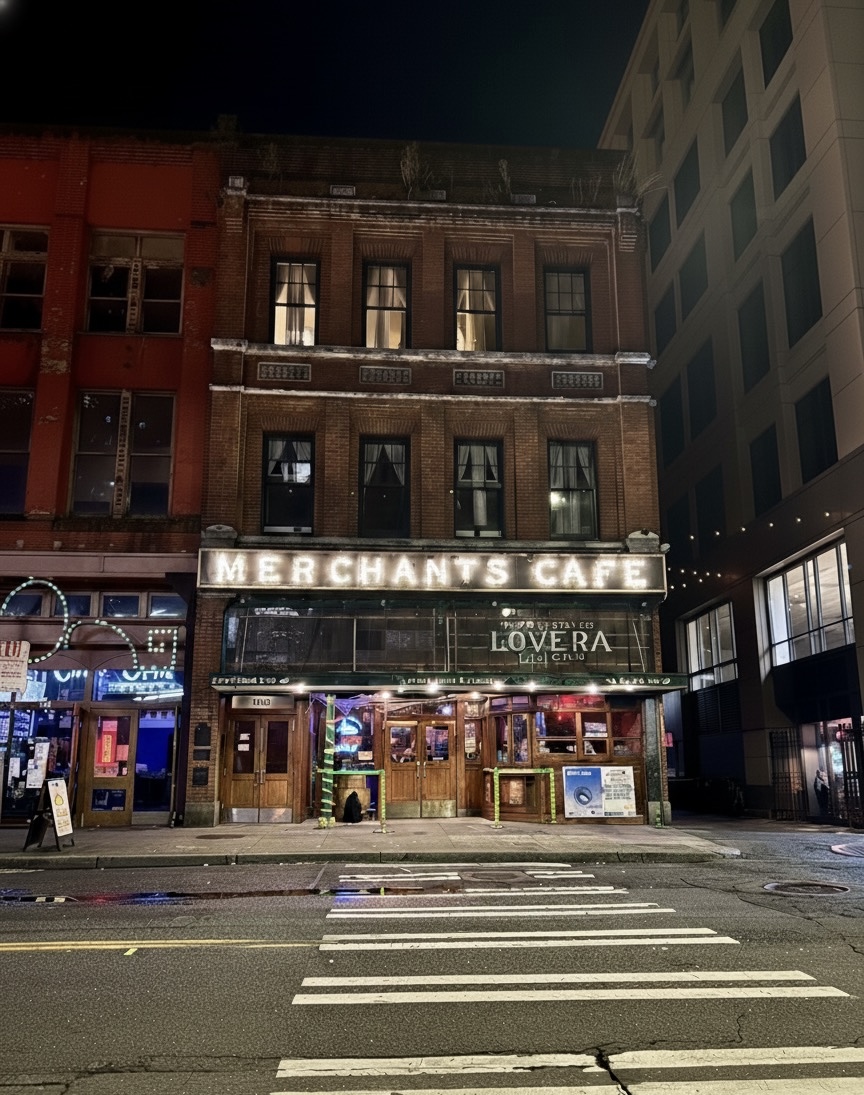
Merchant’s Cafe & Saloon — A deeper dive into history, hauntings, and intrigue

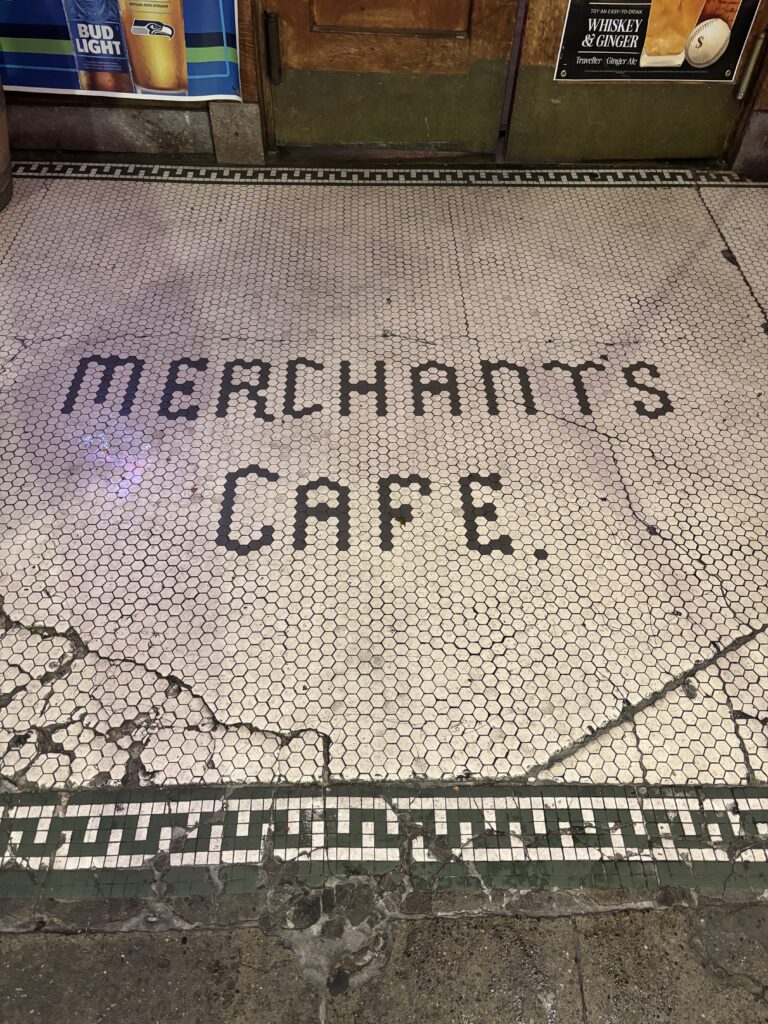
If you love places that look and smell like a hundred years of stories, Merchant’s Cafe & Saloon in Pioneer Square is must-see Seattle nostalgia. Tucked at 109 Yesler Way in the heart of downtown/Pioneer Square, it bills itself as Seattle’s oldest standing restaurant — and walking under that battered marquee feels like stepping into a sepia photograph. 

What it’s like inside

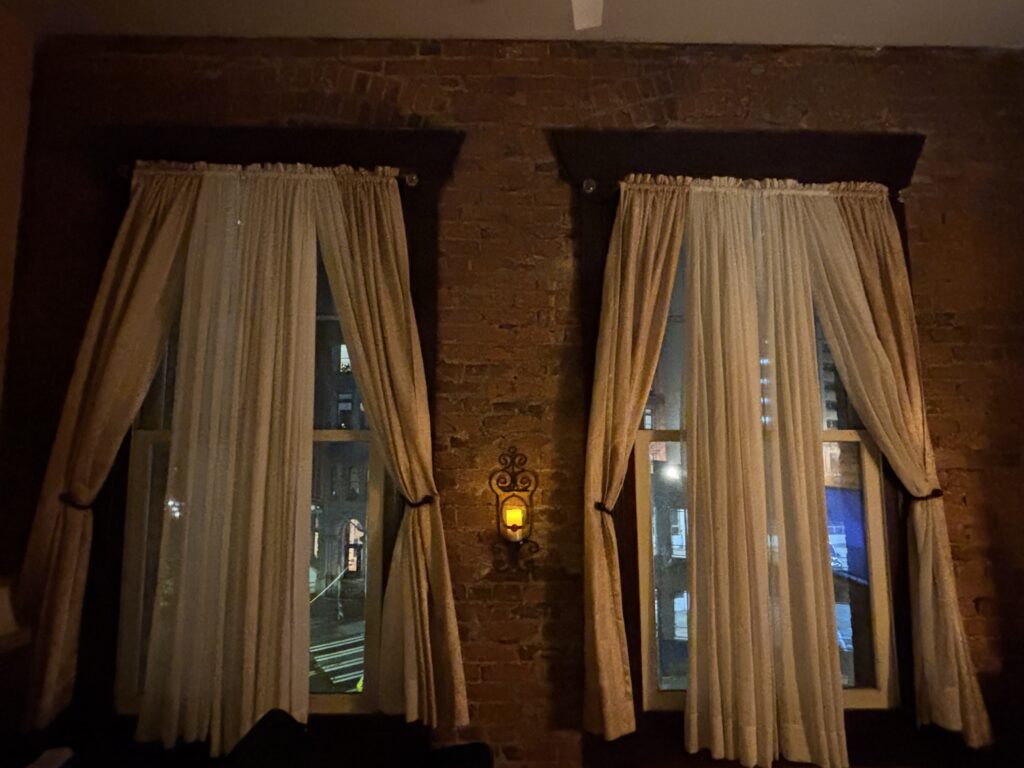
The dining room and bar are warmly old-school: a long century-old wooden bar, pressed-tin ceiling, buckboard-worn floors and vintage pictures on the walls. The vibe is very cozy — lots of wood, low lighting, and small nooks that invite lingering over a drink or a long meal. That same vintage charm, though, can also mean the place shows its age; on my visit (and in a handful of traveler reviews) you can find spots that feel a little grubby — bits of wear that some people call “character” and others just call “dirty.” If pristine is your thing, factor that into your expectations. (Staff and management have, over the years, done restorations and maintenance, but the building is old and frays in places.) 

1. Historic Foundations

The building housing Merchant’s was rebuilt after the Great Seattle Fire of 1889, which razed much of Pioneer Square. 

  • In the aftermath, the property was reconstructed circa 1890 as the Sanderson Block, designed to host a liquor store/café on the ground floor and hotel rooms above. 
  • By 1892 it became the “Merchant’s Exchange Saloon” under new ownership, and the upstairs began accepting hourly rentals — discreetly a brothel in effect. 
  • The architecture is of brick, with pressed-tin ceilings, original wooden bar shipped around Cape Horn, and retains much of its late-19th-century interior. 
  • A historic designation references the property at 109 Yesler Way as part of Pioneer Square’s National Register listing, with the original date of construction circa 1889-1890. 

So when you walk in, you’re literally sitting in the echoes of miners, lumberjacks, gold-rush hopefuls, and the urban underbelly of turn-of-the-century Seattle.


2. A Building with Multiple Lives

Over the decades, Merchant’s wore many hats:

  • As noted, a saloon and hotel/brothel in its early years. 
  • During Prohibition it reportedly operated as a speakeasy and card room. 
  • Later: a café, cigar shop (look for the “Havana Cigars” stained glass) and restaurant. 
  • The upstairs rooms that once served less‐official uses are now boutique apartments or short-stay spaces (not publicly brothel any more!). 

This varied past adds to the character — and also to the haunted reputation.


3. Ghost Stories & Paranormal Claims

Merchant’s embraces its haunted identity, with documented ghost-stories, paranormal investigations, and staff anecdotes galore. Here are several of the more vivid ones:

The Haunted Portrait (“Oriental Dancing Girl”)

  • A painting of one of the former “seamstresses” from the upstairs brothel hangs in the bar’s back wall. The story goes that the woman in the painting appears to move her eyes, shift position, or be seen standing in front of a vanity in a photo that wasn’t there in the original image. 
  • According to the café’s owner: she took a photo of the painting leaning against a wall and saw additional furniture, a ladder, reflections, objects in the photo that weren’t present at the time. 

“Otto” — The Ghostly Manager

  • One spirit is said to be “Otto”, a manager circa early 1900s, still “managing” the place. For example: a bartender asked Otto to turn off the TV — it went off instantly. 
  • Bottles of wine above the safe were thrown off the rack overnight (no forced entry) following a new wine rack installation. The phantom had apparently objected. A shot of whisky is now left on the safe as an offering. 

Children’s Spirits in the Basement

  • The basement of the building (and adjacent spaces) is known for being a particularly active area. Rumour: in a 1938 fire, two children (a boy and a girl) died and their spirits linger, often seen or heard playing in the cellar/semi-underground space.
  • Employees report tugging of shirts from behind when alone in the back, small shadow figures, footsteps when no one’s there, laughter.

Women’s Restroom & Slamming Doors

  • The women’s restroom (and sometimes men’s, adjacent basement spaces) is a hotspot: doors slam by themselves, faucets turn on/off, whispering voices in men’s ears, a female apparition.

General ‘haunted binder’ and ghost-tour participation

  • The staff keep a binder full of reported strange incidents. The building is a stop for ghost-tours in Pioneer Square. 

So yes — if you’re into ghost stories, Merchant’s offers plenty of lore and atmosphere.


4. Why the hauntings might make sense

Given the building’s back-story, the ghost tales feel consonant with its past:

  • A building that housed a brothel, saloon and card-room creates plenty of emotional energy, some might say “residual energy.”
  • It survived major events: the Great Seattle Fire, social upheavals, changing uses, loneliness of transient frontier workers — all ripe for shadowy stories.
  • The basement and underground spaces are physically old, less light, more hidden — ghost-friendly in the sense of ambience.
    So whether you believe in actual ghosts or just in atmosphere, the place certainly feels storied.

5. Visiting with context

If you plan to stop by:

  • Ask the bartender about the ghost binder; many staff are familiar with the lore and some share experiences.
  • If you’re interested in the supernatural, the basement area and restrooms are where many of the claims focus.
  • Bring a camera (many visitors have taken “weird” photos), but don’t expect a guaranteed ghost-photo; it’s more about the story and the place.
  • Evening visits may have more atmosphere (shadows, echoing steps) although the bar is active so you’ll still have other patrons.

Practical tips — parking & safety

Pioneer Square is a dense, historic neighborhood; street parking is limited and regulated, and most visitors end up using nearby parking garages or booking a SpotHero/Same-day lot in advance. If you’re driving, plan for parking — expect to hunt, pay for a garage, or reserve a spot ahead of time during busy evenings. Public transit or a short rideshare can save hassle. 

One more practical note: Pioneer Square sees a lot of foot traffic and, like many busy city neighborhoods, petty car break-ins do happen from time to time. Don’t leave valuables visible in your car; stow them in the trunk or take them with you. Several nearby hotels and parking operators even remind guests of the same. (Basic, boring but important: lock doors and hide bags.) 

Should you go?

Yes, if you enjoy historic places with personality — and if you like the idea of a bar that leans into its ghosts. Go for the ambiance, the sense of continuity with old Seattle, and the stories. Don’t go if you need everything to be spotless and the newest. And whatever you do: plan where you’ll park, and don’t leave valuables visible in your car.

Ghosts & Grit: The Haunted History of Astoria, Oregon

The Norblad Hotel: A Historic Haunt in Astoria

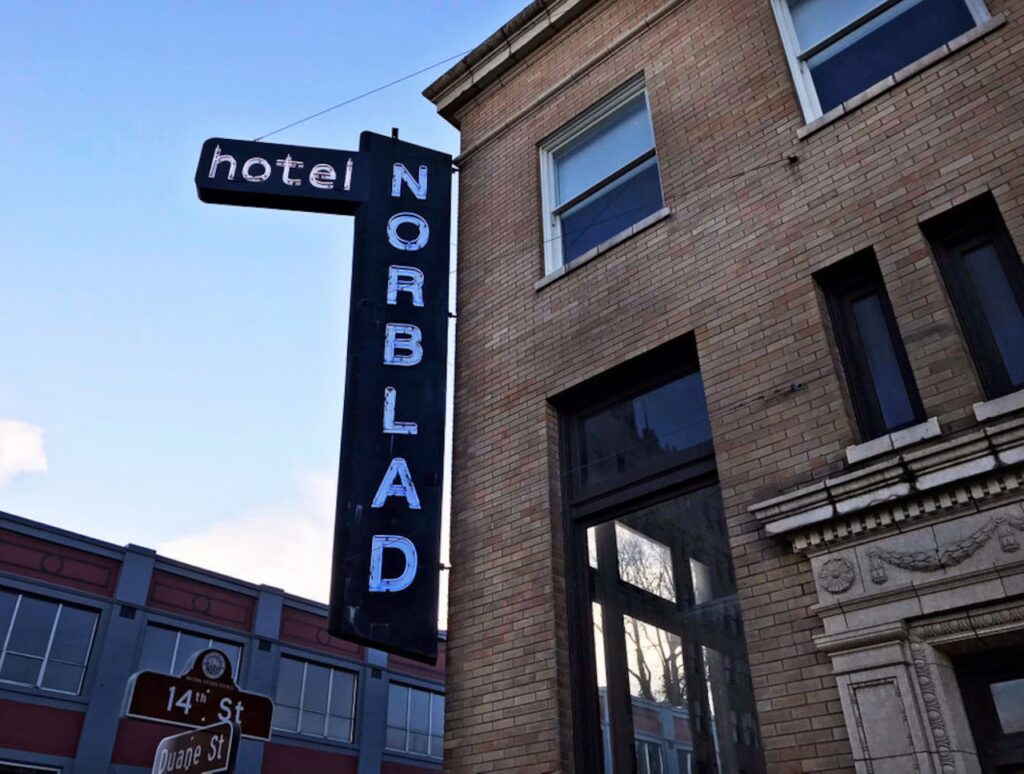
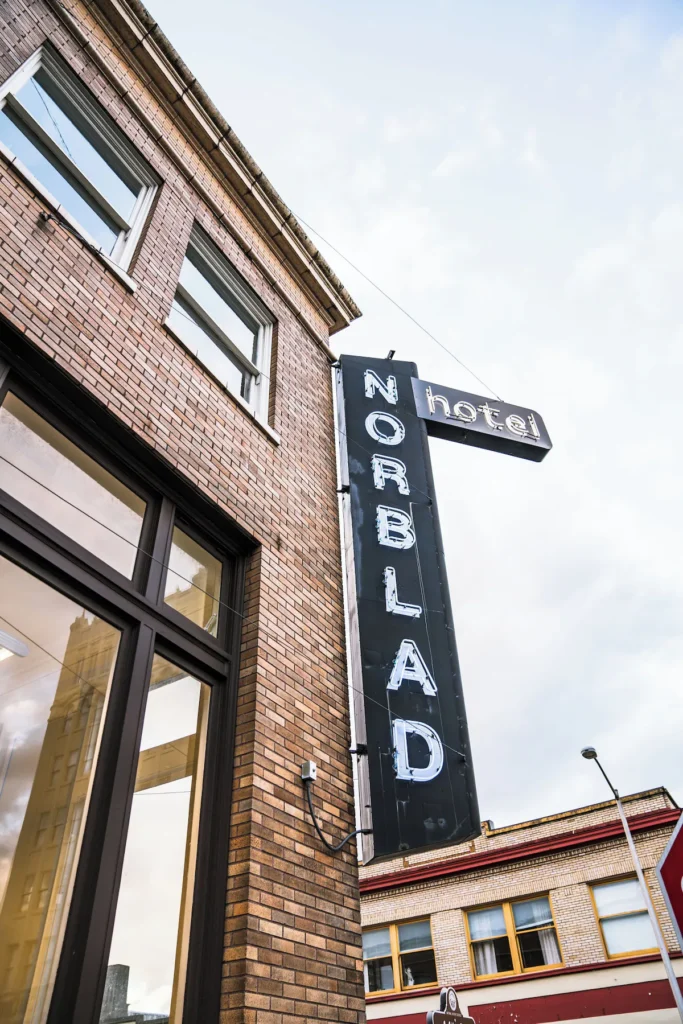
Tucked into downtown Astoria, Oregon, the Norblad Hotel stands as the city’s oldest continuously operated lodging since it opened in 1923. Designed by architect John E. Wicks and named for George F. Norblad, the building originally housed a bank on the ground floor and a hotel above. In 2007 it was lovingly restored to preserve period details—pressed‑tin awnings, crystal doorknobs, apron sinks—while introducing minimalist modern amenities and communal spaces to foster a sense of community Tripadvisor+14NORBLAD HOTEL+14Prime Video+14.

Despite its stylish transformation, the Norblad harbors a darker side. Guests and visitors have reported eerie sensations—cold spots, inexplicable noises—especially around the basement. Ghost Adventures featured the spot in Season 20 Episode 7 (“Norblad Hostel”), describing it as hosting “a very dangerous and very unholy presence in the basement” of the historic hotel Metacritic+3IMDb+3hbomax.com+3.

Zak Bagans’s team was guided into the dim lower levels by a local demon‑seer who warned of malevolent forces tied to the basement and shared a chilling encounter: “She took us into the basement of the Norblad Hotel and told us there was a demon there that has affected this other couple we met” tvinsider.com. The atmosphere reportedly felt oppressive and otherworldly—a memory that left the crew particularly shaken.

We definitely would stay here again and would even recommend it to anyone passing through Astoria. Not only are the staff extremely friendly, they take the time to talk to you and will even give you a ghost story or two!


Astoria: A Haunted Port Town

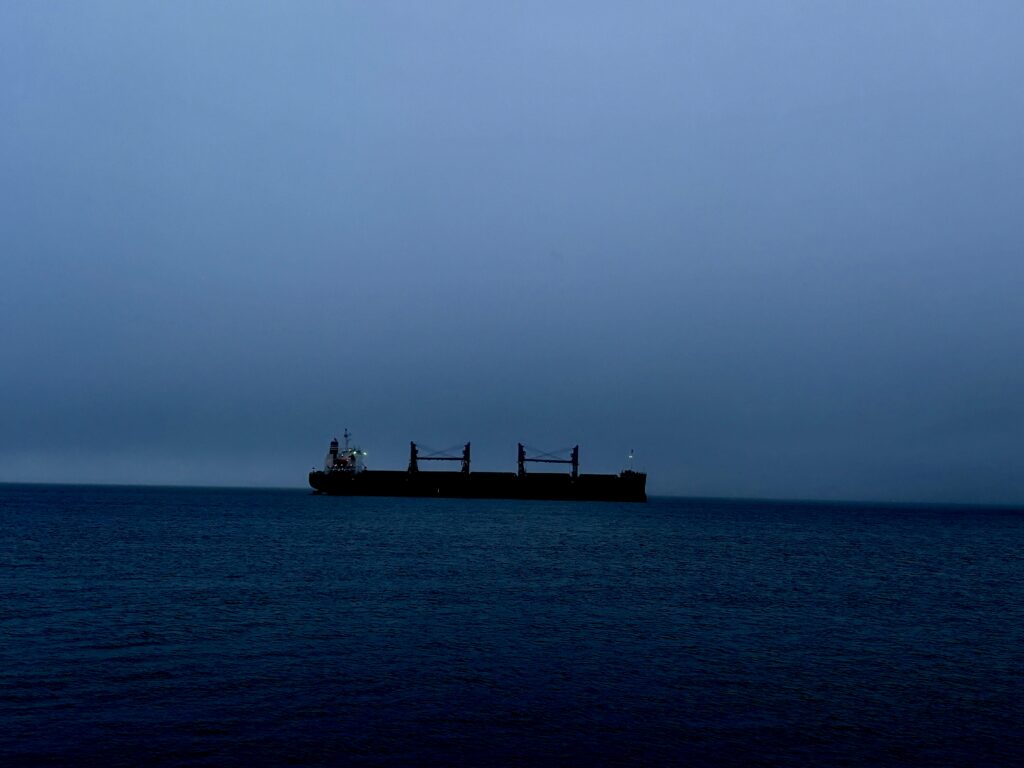
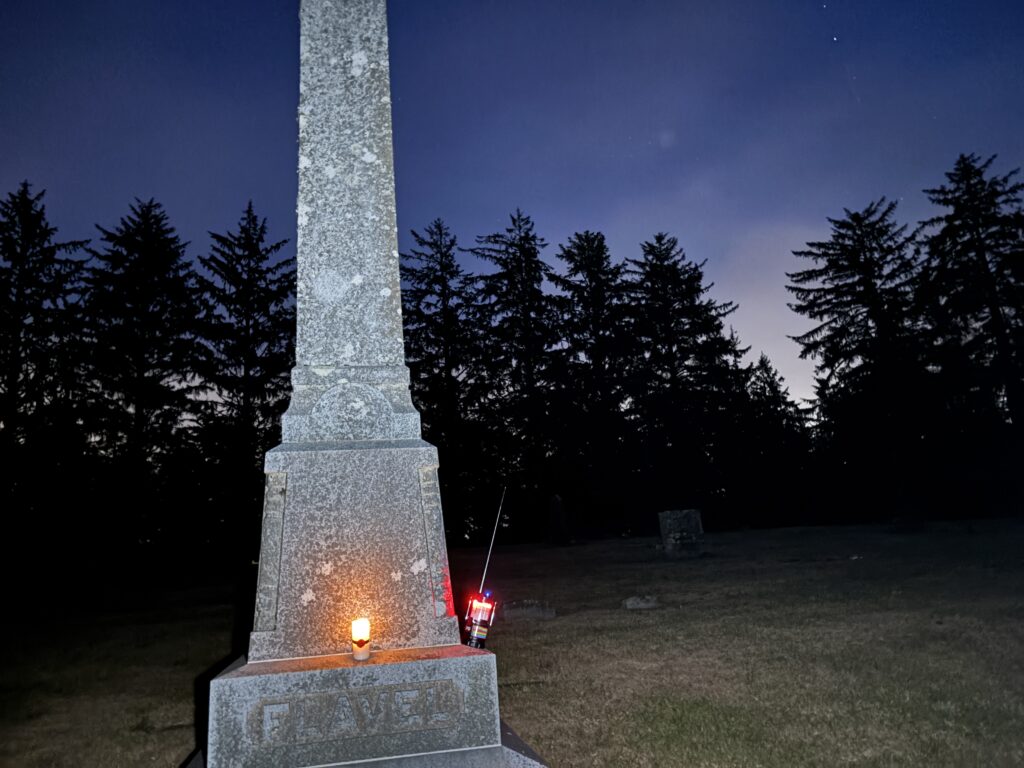
Astoria, perched at the Columbia River mouth, is the oldest U.S. settlement west of the Rockies. Its maritime and immigration history is etched into every part of town—from the Flavel House Museum to the Liberty Theatre. But among these historical landmarks lurk ghost stories.

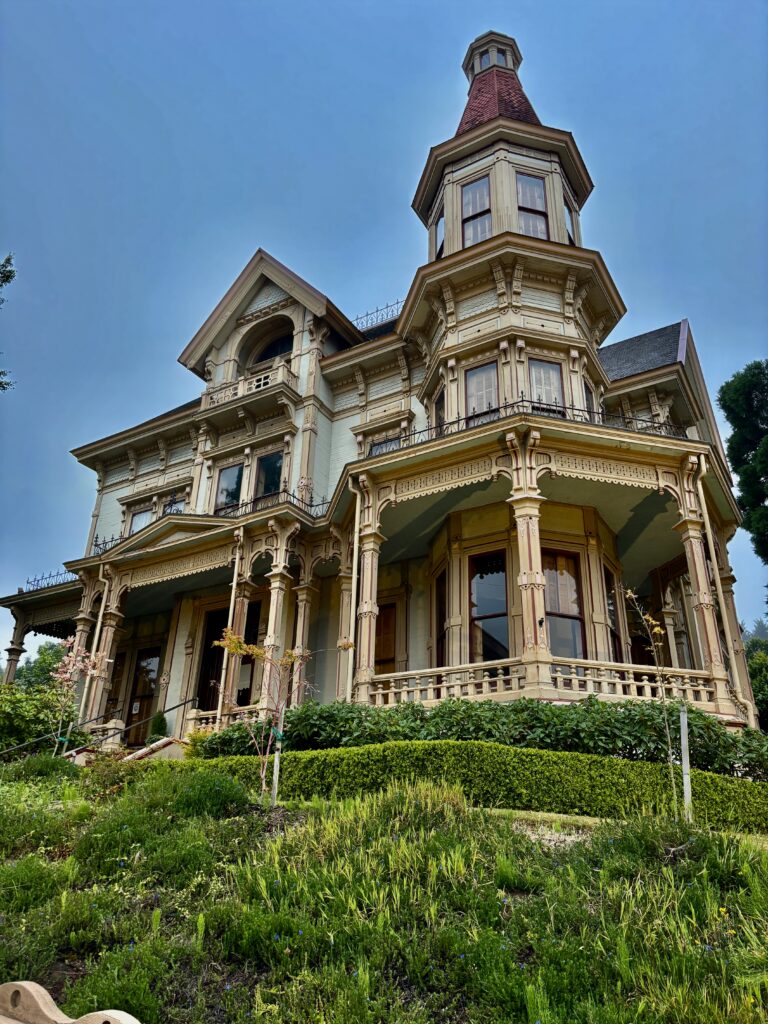
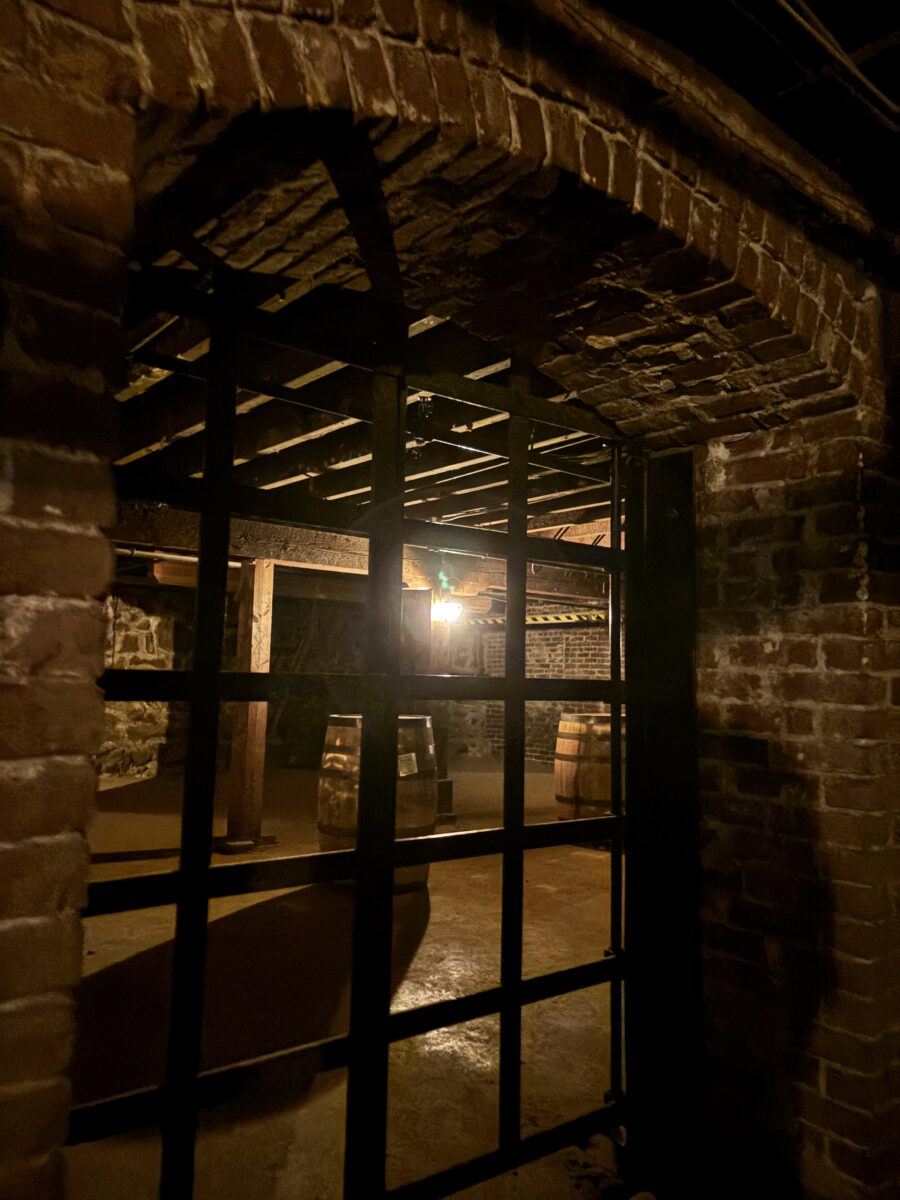
The Flavel House, built by merchant George Flavel, is among the top haunted places in Oregon—with poltergeist-style activity reported within its walls clementines-bb.com+1Medium+1. More broadly, the city’s legacy as a shipping hub gave rise to the Shanghai tunnels—secret underground passageways used in the late 19th and early 20th century. These tunnels have spawned countless tales of spirits and missing laborers.


The Astoria Underground (Tunnel) Tour: History Meets Haunting

To explore Astoria’s subterranean mysteries, the Astoria Underground Tour guides guests through a rehabilitated section of these tunnels—an experience equal parts historical and theatrical oldastoria.com+1Travel Oregon+1.

Hosted by local guides such as Chad Gallup and Jeff Daly, the tour winds through restored rooms, lined corridors, and shadowy relics. Artifacts from the early 1900s are on display, with ambient lighting, light mist, and storytelling giving the experience dramatic flair clementines-bb.com+3Travel Oregon+3oldastoria.com+3.

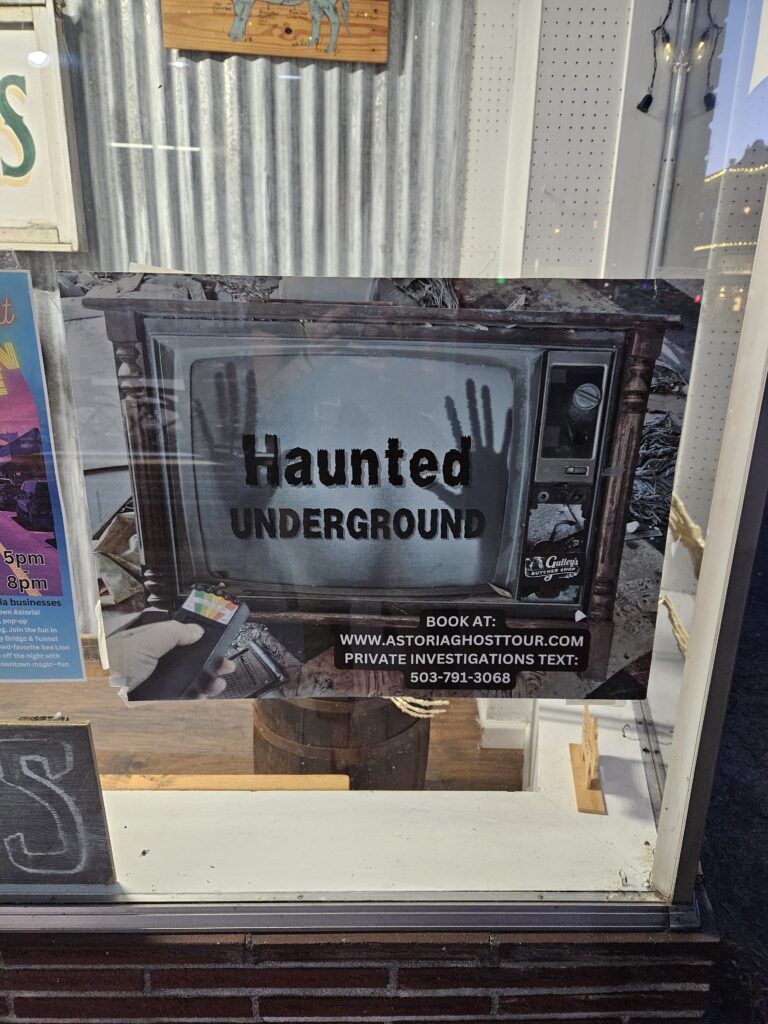
Visitors frequently comment on the guide-led storytelling: legends of forced labor in the tunnels, ghosts of workers who vanished, and local horror lore instilling a spine-chill. Many tours include ghost-hunting tools like EMF meters and offer optional overnight “investigation” experiences tied to Astoria Ghost Tour Underground, which even advertises its connection to Ghost Adventures filming at nearby Gulley’s Butcher Shop astoriaghosttour.com.

The same Ghost Adventures team featured Astoria’s Underground tour in Season 20 Episode 6 (“Astoria Underground”), where they explored the so-called Graveyard of the Pacific and the city’s infamous Shanghai tunnels. Their investigation revealed a series of misfortunes and Lovecraftian overtones deeply tied to Astoria’s pastIMDb+4IMDb+4Metacritic+4.


Why the Tour and the Guides Shine

There’s a reason the Underground tour draws rave reviews:

  • Historical depth: Each guide blends local history with chilling narrative—detailing tunnel origins used to elevate the city and reporting disappearances and tragedies beneath the streets.
  • Immersive atmosphere: Colorful lights, evocative props, and evocative smoke effects transport guests into the historic underworld.
  • Authentic local storytelling: Guides like Chad Gallup and Jeff Daly present firsthand anecdotes and personal experiences, making the stories feel vivid and alive.

From the Yelp and TripAdvisor buzz, visitors describe the guides as knowledgeable, engaging, and emotionally gripping—often leaving audiences genuinely spooked and deeply curious.


Ghostly Echoes: Connecting Past and Present

Astoria’s haunted mythology forms a tapestry:

  • The Flavel House poltergeist rumors.
  • The subterranean tunnels that once seethed with labor abuse and secrecy.
  • hotel basement so unnerving that Zak Bagans labeled it a strong demonic hotspot.
  • Locals sharing stories of hidden tragedies, warnings from eccentric town folk about dark forces, and a city shaped by commerce and mystery.

Whether you’re a paranormal enthusiast or history buff, exploring Astoria means crossing paths with reality and legend.

A Haunting at Ocean View Cemetery, Astoria

Established in 1897, Ocean View Cemetery spans over 100 acres of sloping hills, ancient trees, and views of the Columbia River. It replaced Astoria’s earlier hillside burial ground, absorbing many pioneer graves—some of which were moved hastily or left undocumented. Locals whisper of spirits still unsettled by the relocation.

Among the most persistent legends is that of the “Dust Bride”—a perfectly preserved woman found in a windowed coffin who turned to dust upon exposure. Others tell of mysterious voices near the hilltop monuments and shadowy figures glimpsed near the old Civil War mound. Nearby lies the long-forgotten paupers’ section, where unmarked Chinese and Native graves may still rest unacknowledged beneath the grass.

Whether you’re walking among the mossy stones or standing atop the strange conical hill that crowns the cemetery, there’s a powerful sense that Ocean View holds more than memory—it holds presence.


Final Thoughts

The Norblad Hotel offers a refined yet subtly eerie lodging nestled in a city rich in maritime history and haunted lore. Guests staying there might feel more than just history’s breath—a whisper from another world may linger in the basement.

Couple that with the Astoria Underground Tour, and you have an unforgettable blend of historic storytelling and paranormal intrigue. It’s no wonder Ghost Adventures spent two episodes exploring this “Graveyard of the Pacific,” with the guides and the tour experience deeply praised.

If you seek unforgettable ghost stories, atmospheric tours, and a city where past and present coalesce in mysterious ways—Astoria and the Norblad are waiting.

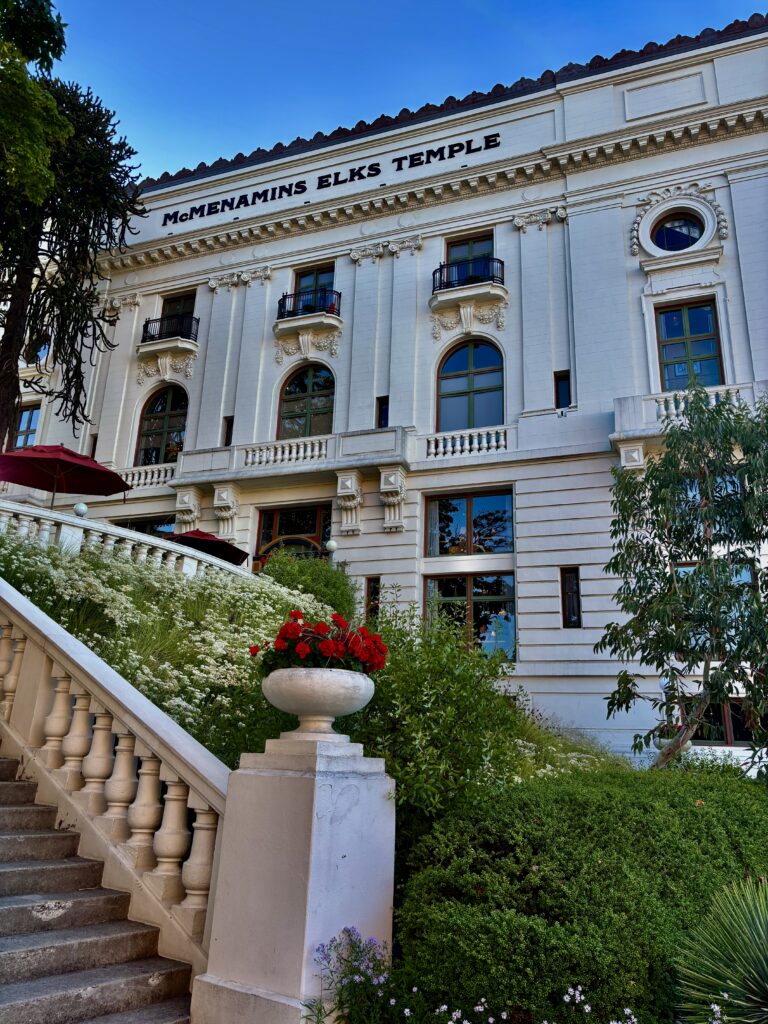
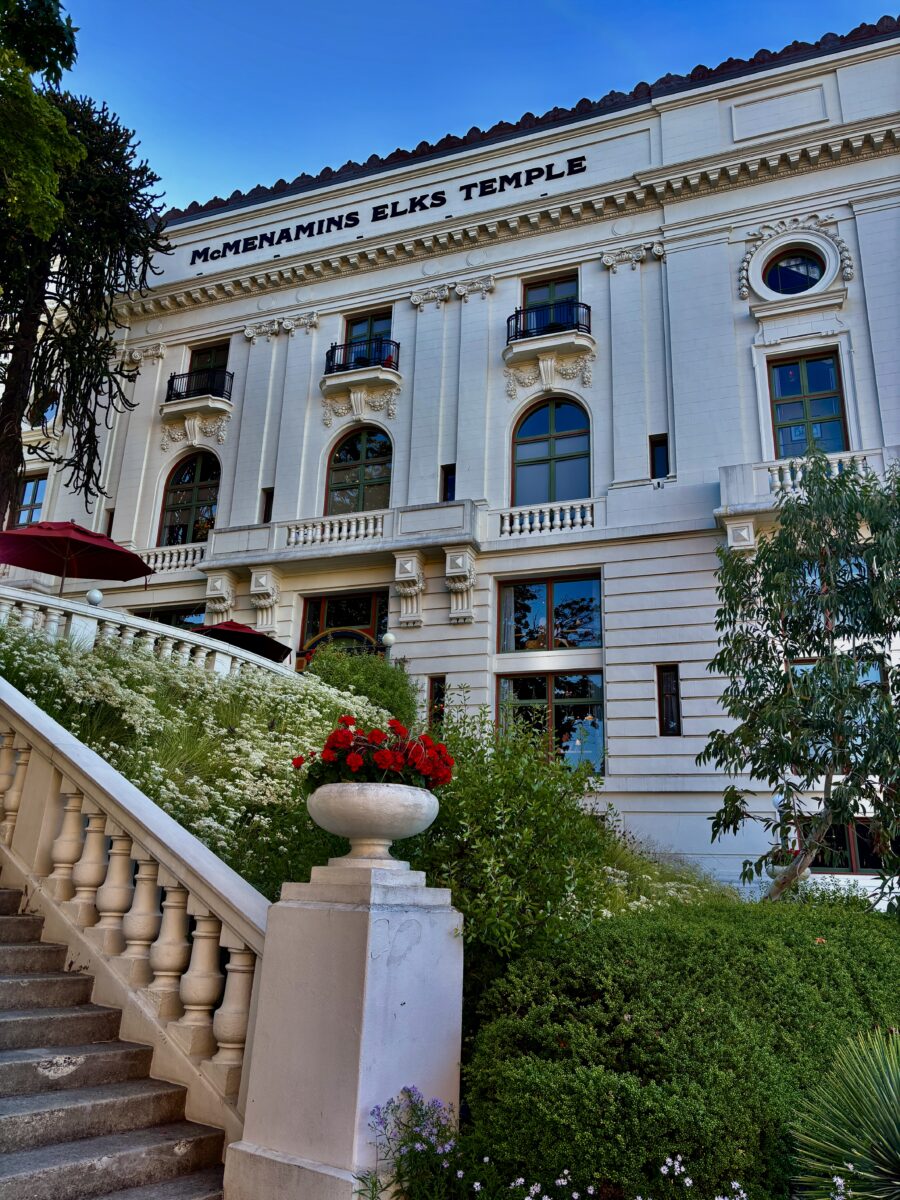
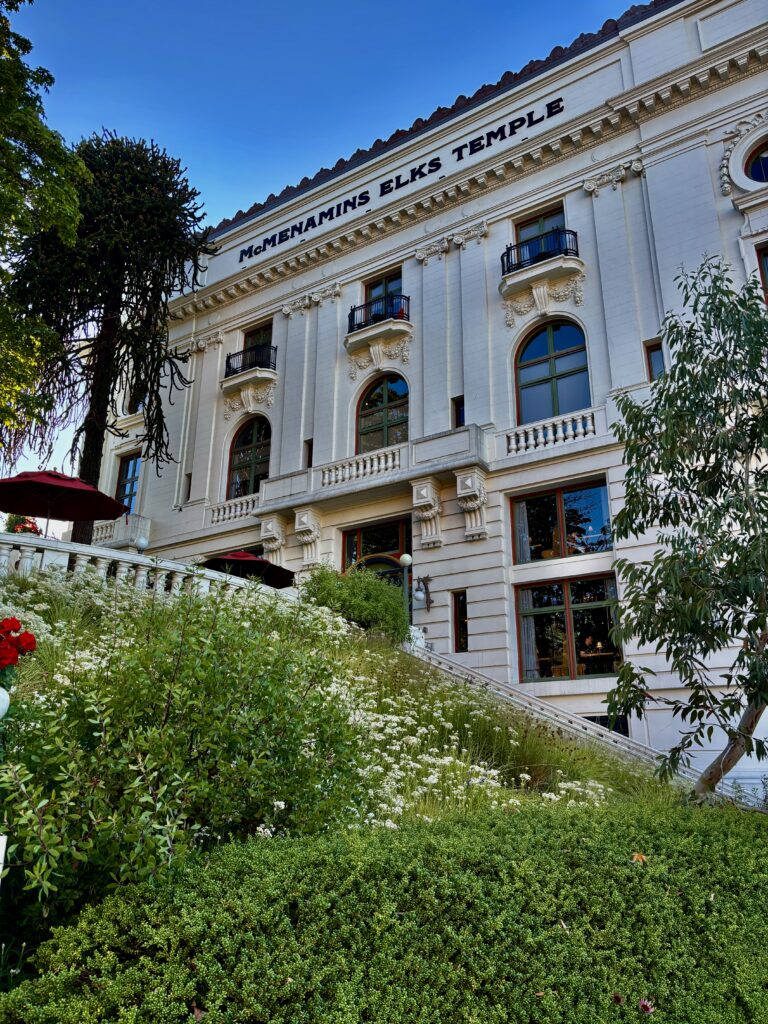
Uncover Haunted Luxury at Tacoma’s Legendary Elks Temple Hotel

If you’re looking for a hotel stay that blends historic grandeurvintage charmcreative cocktails, and a touch of the supernatural, the Elks Temple Hotel (formerly Elks Lodge) in Tacoma is an ideal choice.


🏛️ A Building Steeped in History

  • Built in 1915–16, this magnificent Beaux-Arts structure served as Tacoma Elks Lodge #174, designed by French-trained architect Édouard Frère Champney. Its grand opening in February 1916 marked the arrival of a social hub amidst the Spanish Steps and City Hall—Tacoma’s “Point of Power” at the time. By the mid‑1960s, the lodge had boasted the largest Elks membership in the nation McMenamins Blog+15Wikipedia+15Reddit+15.
  • After the Elks relocated in the 1960s, the building fell into disuse by the 1980s. It remained vacant or underutilized for decades until McMenamins purchased it in 2009. Following restoration delays, the landmark reopened in April 2019 as the McMenamins Elks Temple, featuring a hotel, brewery, music venue, multiple bars, and restaurants. The restoration preserved original murals, medallions, and architectural flourishes while introducing modern charm Eater Seattle.

🍍 Activities & Atmosphere

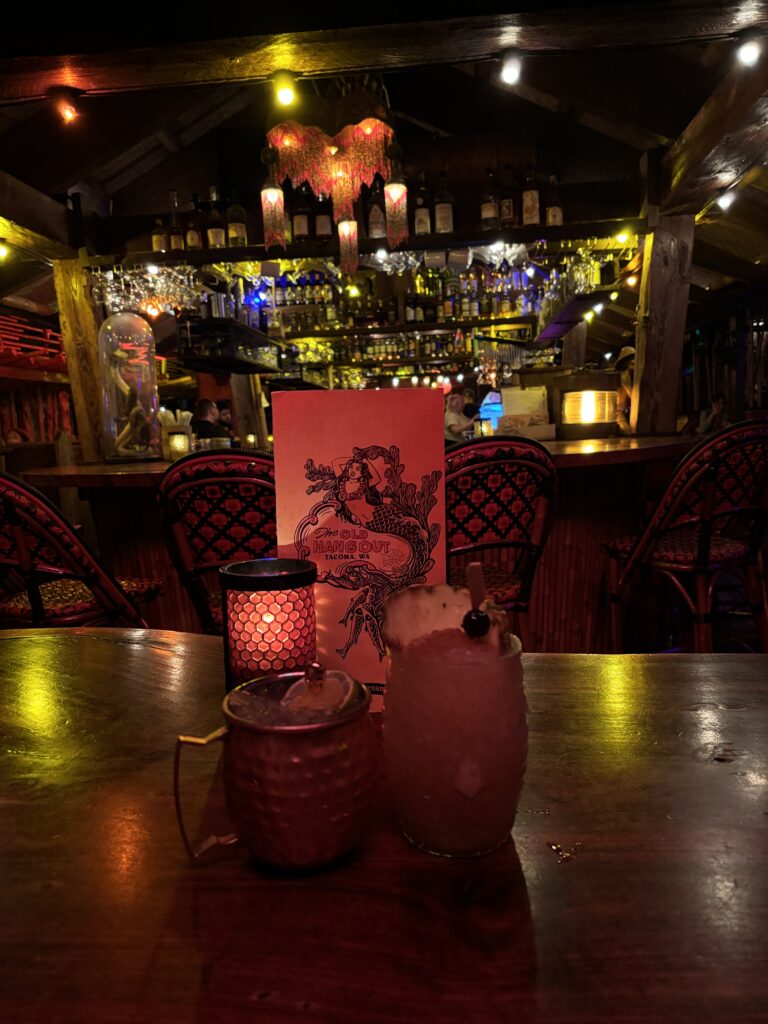
🍹 Tiki Lounge

This colorful South-Pacific-themed bar is a standout hit. Surrounded by water, lush plants, tropical décor, and ambient lighting, the lounge serves inventive tiki cocktails like Mai Tais and flaming concoctions that feel both retro and upscaleSouthSoundTalkEater Seattle.

🕵️‍♂️ Hidden Bar

Behind a subtle entrance lies a secret speakeasy-style bar—intimate, moody, and conversation-friendly. Often operating on weekends, this hidden gem offers a curated menu of vintage spirits and craft drinks in an atmospheric setting SouthSoundTalkEater SeattleReddit.

🎶 Events & Live Music

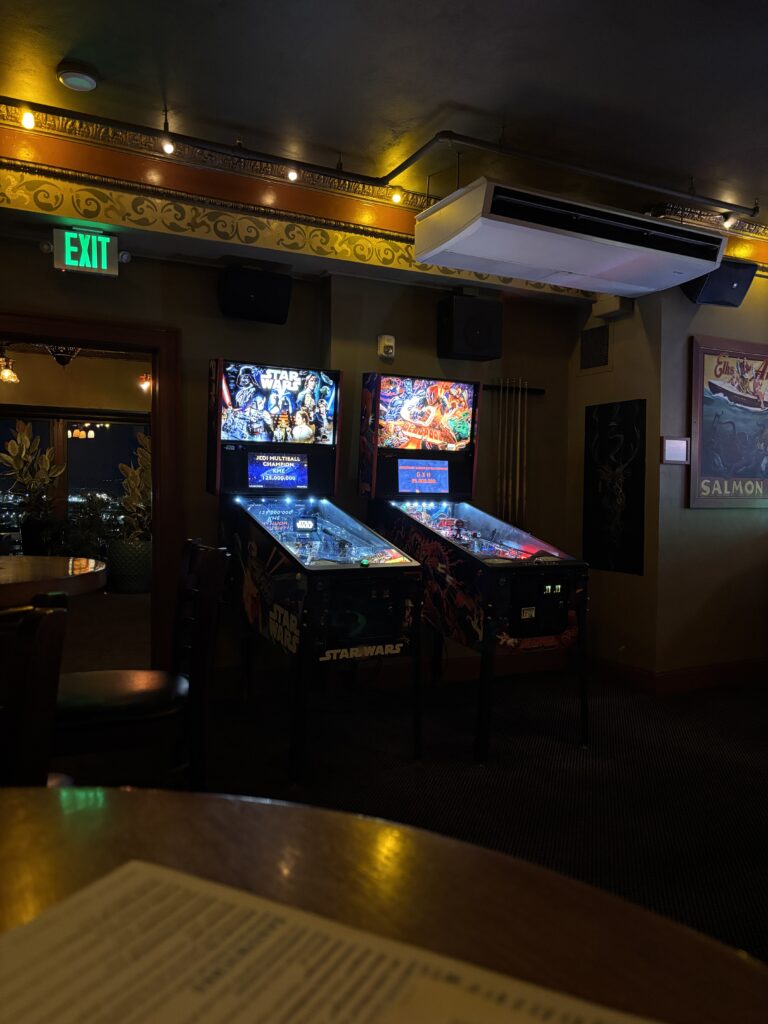
The property includes a 700-person ballroom, game rooms, a movie theater, and performance venues where live music, cultural events, and weddings regularly take place. There’s always something happening under its historic roofTacoma Music History+1SouthSoundTalk+1.


👻 Ghostly Undercurrents: The Haunted Side

While our stay was entirely pleasant, the building’s age and legacy invite whispers of the paranormal:

  • Some guests and staff have claimed strange footsteps, flickering lights, and unseen presences in empty corridors.
  • On Reddit, a user recounted a ghost-hunting session in the old building with EMF spikes, spirit box communication attempts, and orb sightings. Others working out in the seldom-used gym reported seeing figures in motion when no one else was present Reddit.

The lore is subtle—not full-blown terror, but just enough mystery to intrigue fans of ghost stories.


Should you go? YES!

The McMenamins Elks Temple is more than a hotel—it’s a living museum of Tacoma history, art, and quirky design. The Tiki Lounge offers playful escapism, the hidden bar gives old-school secret society vibes, and the rich architectural craftsmanship and social legacy elevate the entire experience.

Whether you’re drawn by history, cocktails, live music, or a whisper of the supernatural, this place delivers. It’s charismatic, atmospheric, and just a bit uncanny—without being creepy. You’ll feel like you’ve checked into a cherished local landmark with personality to spare.

We’ll definitely be back—and next time, maybe we’ll stay late enough to meet one of the building’s lingering spirits.

Haunted Portland: Ghostly Hotel, Oddities & Underground Secrets

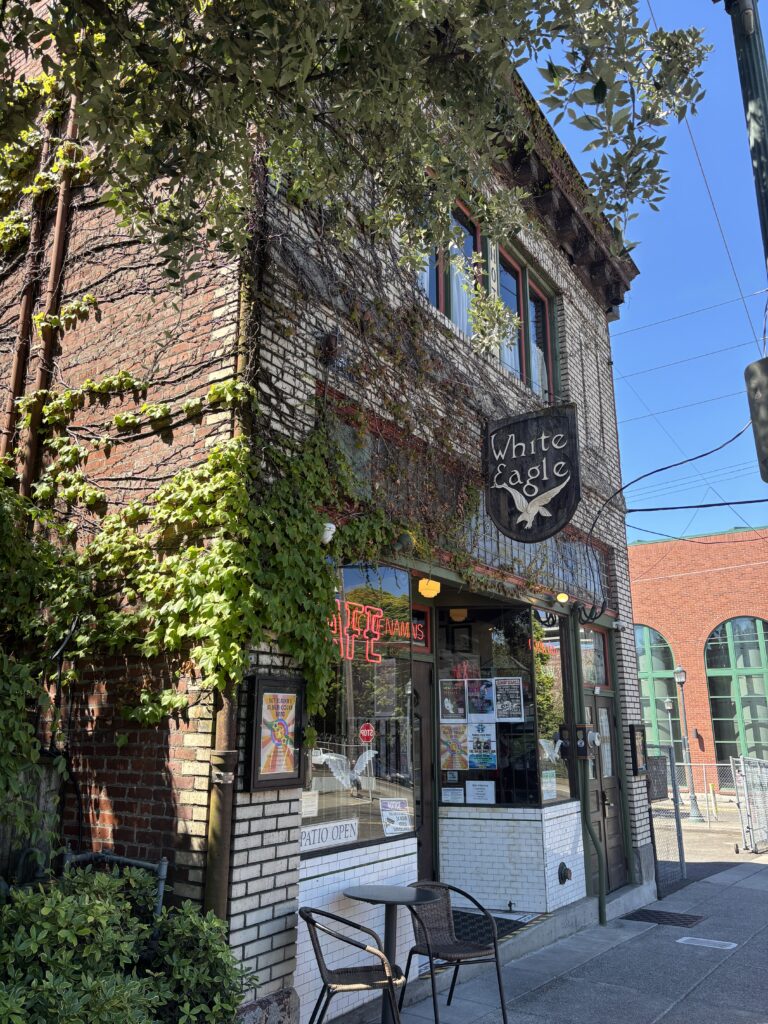
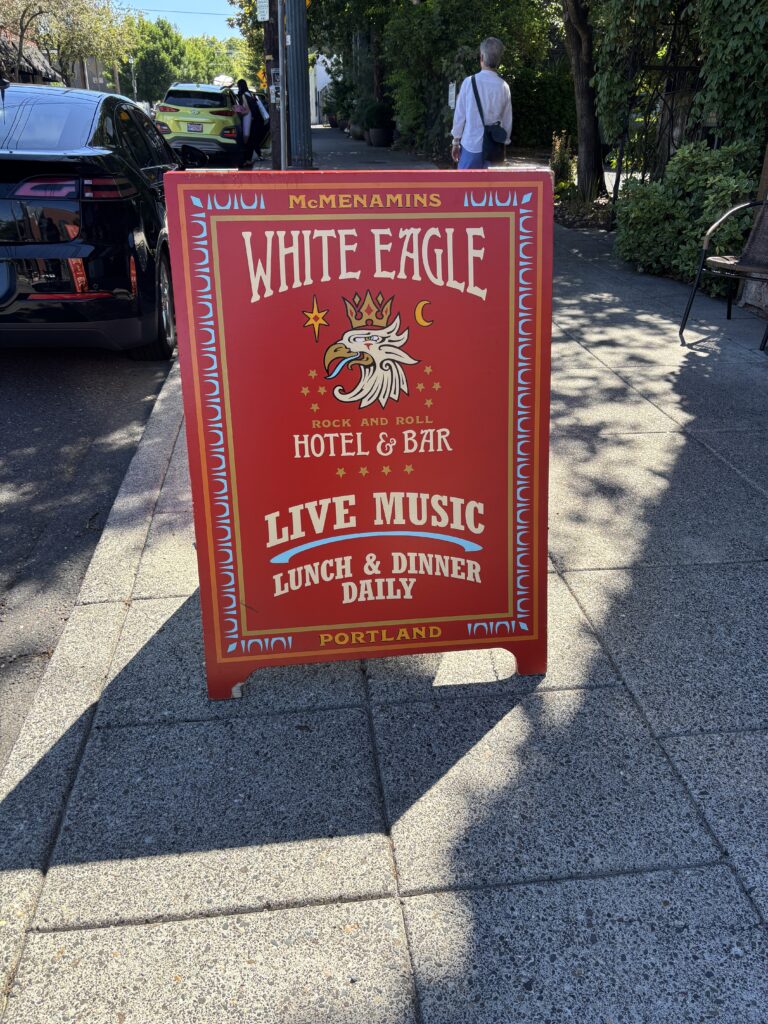
A Night at the Historic White Eagle Saloon: Clean, Cozy, and Just a Little Haunted

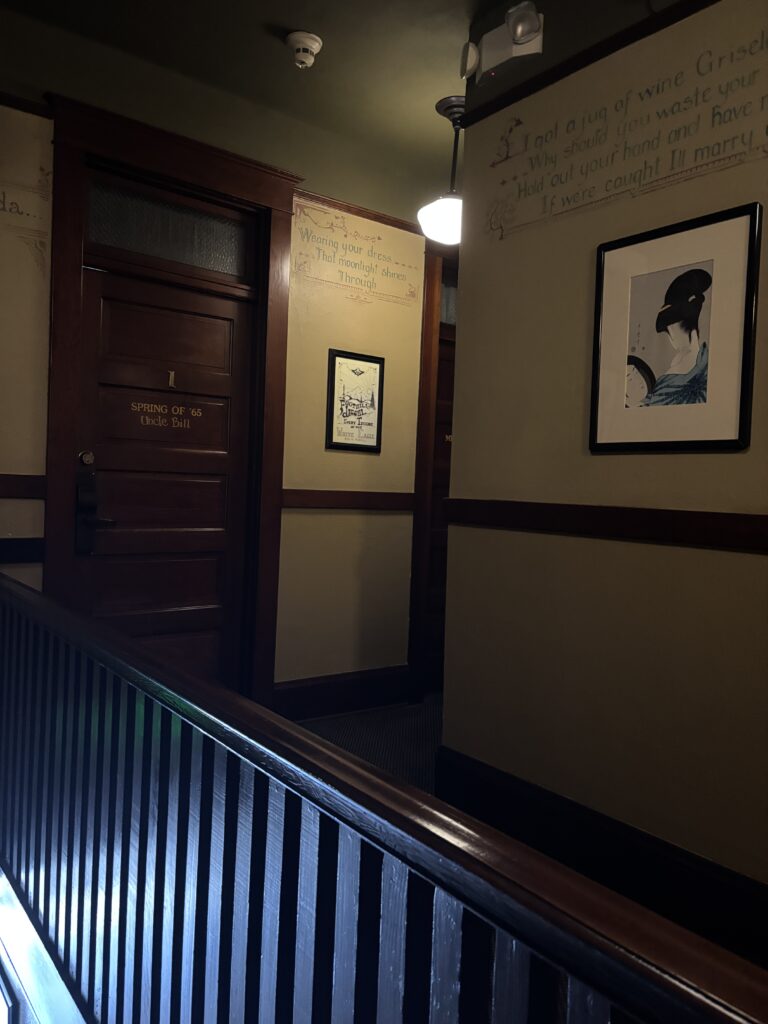
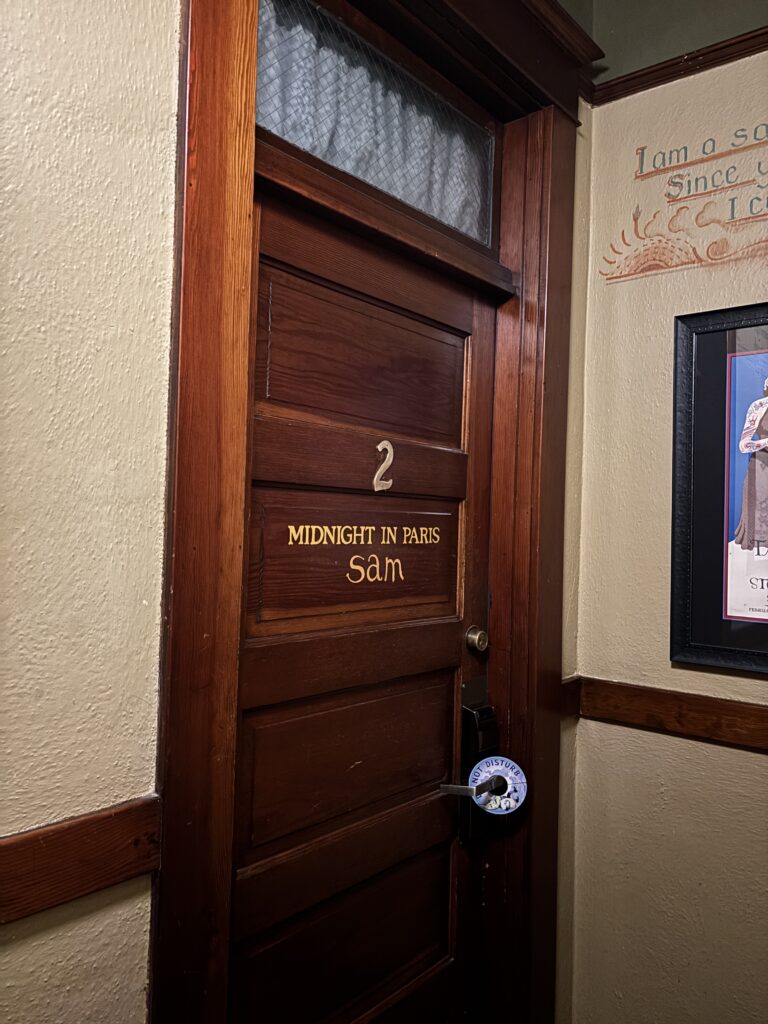
Our recent stay at the White Eagle Saloon in Portland, Oregon, was nothing short of memorable—and not just because of the rumored ghosts. We stayed in Room 2, which was exceptionally clean and comfortable, offering a cozy retreat with vintage charm. The staff were incredibly friendly and helpful, adding to the welcoming, laid-back atmosphere that makes the White Eagle such a standout destination. Whether you’re there for a pint, live music, or a night with the spirits (of both the liquid and paranormal kind), this place delivers.


A Dive Into the White Eagle’s Colorful History

The White Eagle Saloon was established in 1905 by Polish immigrants Bronislaw Soboleski and William Hryszko. It quickly became a beloved gathering place for Portland’s working class, particularly the Polish immigrant community that surrounded the Albina district. The building originally served as a saloon and boarding house, providing food, drink, and shelter to the railroad and dock workers flooding into Portland at the time.

Over the years, the White Eagle evolved into much more than a watering hole. It was rumored to have been a speakeasy during Prohibition, and it survived through decades of change, eventually being purchased and restored by McMenamins in the 1990s. Today, it functions as a bar, live music venue, and boutique hotel, while still maintaining the character and quirks of its early 20th-century roots.


Paranormal Activity: A Haunted Legacy

But let’s talk about what really sets the White Eagle apart: its ghost stories.

Often dubbed one of the most haunted places in Portland, the White Eagle has been the subject of numerous paranormal investigations and countless firsthand accounts. Guests and staff alike have reported eerie occurrences—disembodied voices, cold drafts, and doors that open and close on their own.

Some of the most frequently mentioned ghostly figures include:

  • Sam, a former housekeeper or maintenance worker who is said to roam the halls. His spirit is described as mischievous but harmless.
  • woman in white, often seen drifting up or down the staircase, believed to be a former tenant or perhaps even a tragic figure tied to the building’s past.
  • The sound of footsteps in empty hallways, flickering lights, and the faint murmur of conversations when no one else is around have all been logged in the saloon’s spooky archives.

Room 2—where we stayed—had a calm, peaceful energy, though it’s worth noting that some guests have experienced odd dreams or felt like they weren’t quite alone. We didn’t experience anything ourselves, but it’s easy to see why the legends persist. The building practically hums with history, and you get the sense that if the walls could talk, they’d have a lot to say.


Dinner with a Dark Twist: Raven’s Manor

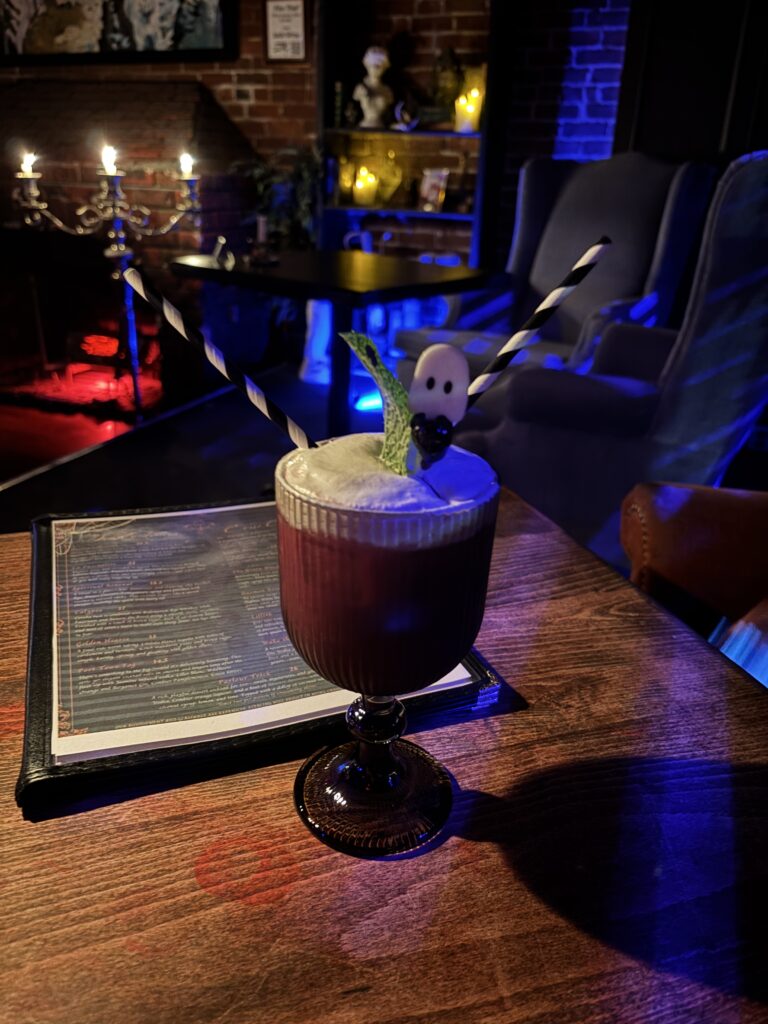
On our second night in Portland, we had dinner at the incredibly atmospheric Raven’s Manor, a gothic-themed cocktail lounge and restaurant that feels like a scene straight out of a Victorian ghost story—or maybe a Tim Burton film.

Located in a historic downtown building that dates back to 1890, Raven’s Manor occupies the old First National Bank building. The structure retains much of its classic architecture and heavy stonework, but the interior has been transformed into something entirely unique. Think flickering candlelight, gothic portraits, dark velvet, and hidden details that encourage guests to look twice.

The concept is part haunted mansion, part alchemy lab, and part immersive cocktail experience. Themed drinks come with elaborate backstories, dry ice fog, and potion-like ingredients. The food was as flavorful as it was fun—we highly recommend the “Dr. Raven’s Elixirs” cocktail menu for anyone looking to get in the spooky spirit.

It’s not just a place to eat—Raven’s Manor is a full experience, combining performance, setting, and storytelling in a way that felt perfectly in tune with our haunted Portland adventure.


Descending into the Shanghai Tunnels: History and Hauntings

One of the more intriguing (and infamous) parts of Portland’s past lies beneath the city itself—in the Portland Shanghai Tunnels. Hoping to explore this shadowy slice of history, we joined a tunnel tour during our stay. While our particular experience with the tour left us wanting more (the guide offered minimal detail, and the paranormal elements were noticeably lacking), the history behind these tunnels is undeniably chilling and worth sharing.

The History

Beneath Portland’s Old Town and Chinatown districts lies a labyrinth of interconnected tunnels—once used for moving goods between the waterfront and basement storage areas without congesting the streets above. But over time, the tunnels gained a much darker reputation.

From the mid-1800s to early 1900s, Portland was considered one of the most dangerous port cities in the world, and the practice of “shanghaiing” became a feared reality. Unsuspecting men—often sailors, drunks, or travelers—were allegedly kidnapped, drugged, or knocked unconscious, then dragged through trapdoors in saloons or hotels and transported via tunnel to the riverfront. There, they were sold to sea captains in need of labor, waking up days later on ships headed for Asia, with no memory of how they got there.

The Paranormal Stories

Many believe the spirits of those who were abducted, imprisoned, or even killed in these tunnels remain to this day. Paranormal investigators have reported:

  • Whispers and moans echoing through the tunnels when no one else is around
  • Sudden temperature drops and feelings of dread in certain underground chambers
  • Apparitions of men in period clothing, vanishing around corners
  • An especially eerie presence near old holding cells, where victims were once kept before being shipped away

Some have even claimed to see the ghost of a woman in a red dress, thought to be a former prostitute who died tragically in the tunnels. Whether myth or memory, the atmosphere in the tunnels is undeniably heavy with the weight of Portland’s forgotten underbelly.

While the tour itself didn’t fully deliver, the underlying history and ghost stories remain some of the most haunting in the Pacific Northwest.


A Macabre Must-See: The Skeleton Key Odditorium

Of all the strange and wonderful places we visited in Portland, The Skeleton Key Odditorium stands out as an absolute gem. If you’re into the weird, the macabre, and the curiously beautiful, this is a must-visit.

Located in a cozy storefront that feels like a cabinet of curiosities come to life, The Skeleton Key is part museum, part boutique, and all wonderfully strange. The atmosphere is thick with curiosity—dark walls, antique cases, and shelves brimming with the bizarre. The owners clearly have a passion for the eerie and esoteric, and it shows in every corner of the space.

What You’ll Find Inside:

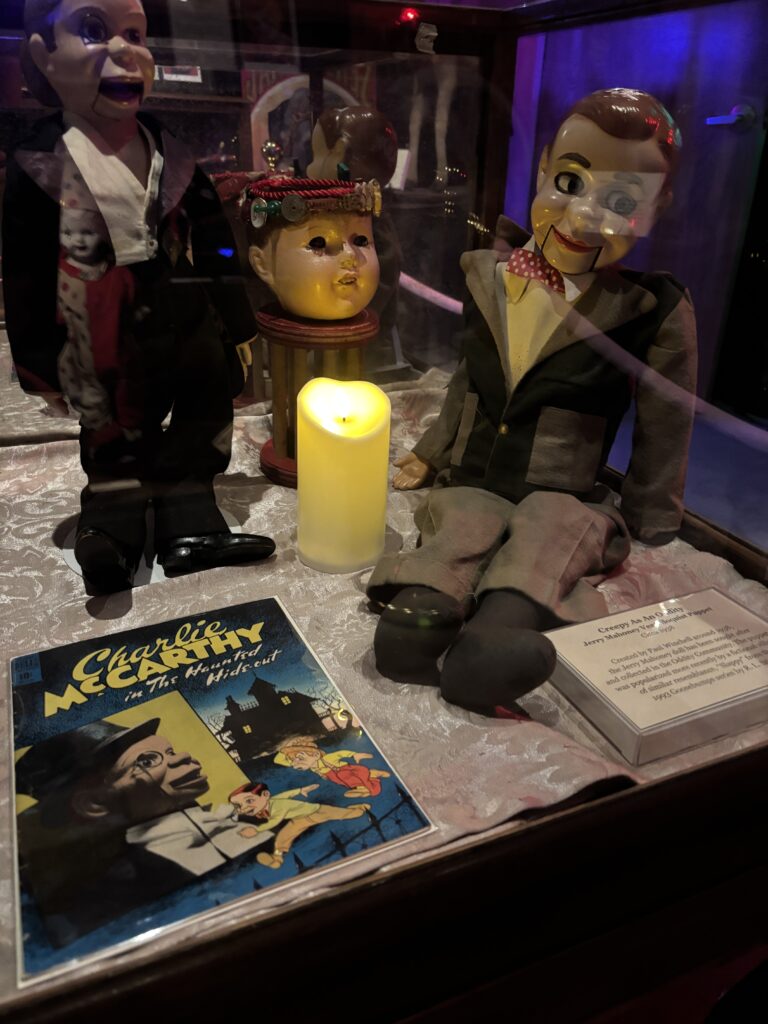
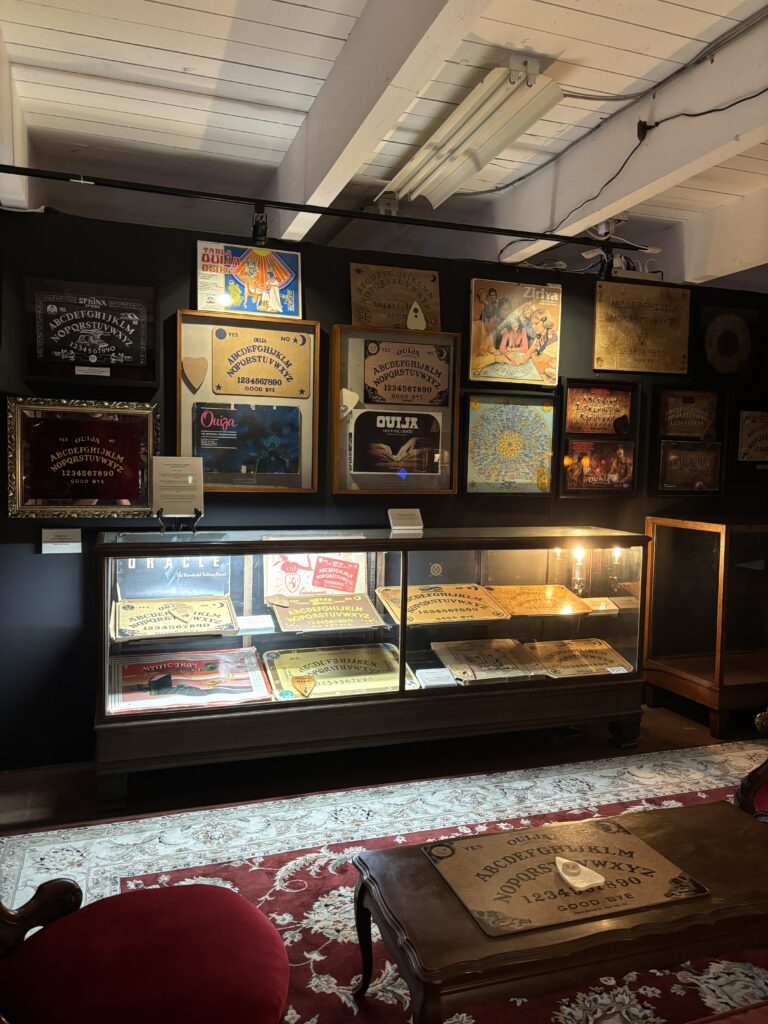
  • An extraordinary collection of vintage Ouija boards, some dating back over a century. The detail and craftsmanship of these boards alone is worth the visit, and the display provides a fascinating look into the spiritualist movement of the Victorian and early 20th centuries.
  • Victorian post-mortem photography exhibit, featuring haunting, respectful images from a time when photography was one of the only ways to preserve a loved one’s memory. It’s somber, beautiful, and deeply human—a sobering reminder of how people in the 1800s and early 1900s faced mortality.
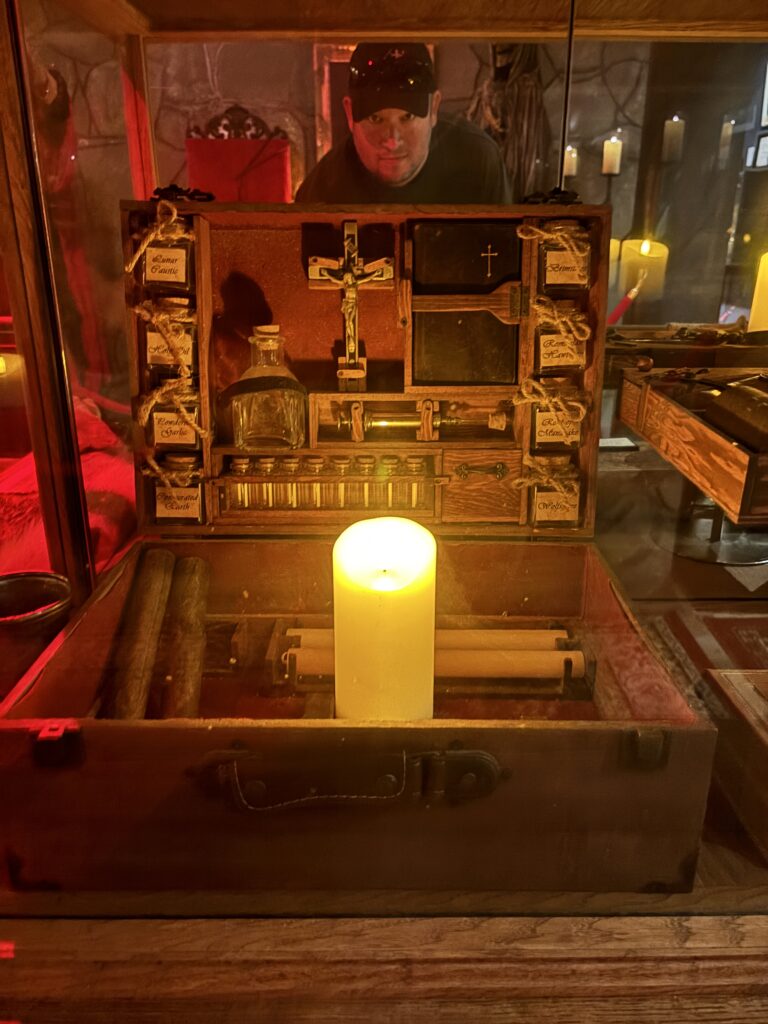
  • A wide variety of medical oddities, antique funeral ephemera, preserved specimens, taxidermy, bones, and spiritualist relics. Everything is curated with an eye for history and respect for the macabre. You could spend hours looking over every carefully labeled piece.
  • A lovingly arranged oddities shop, where you can purchase everything from ethically sourced bones and handcrafted occult tools to vintage tarot decks, books, and art prints. Whether you’re looking to start your own cabinet of curiosities or just want a unique gift, there’s something here that will speak to your dark little heart.

The staff were incredibly kind, knowledgeable, and clearly passionate about the collection. They were more than happy to answer questions and even share a few ghost stories of their own. The Skeleton Key Odditorium is the kind of place you want to return to again and again—because you’ll never notice everything on your first visit.


Final Thoughts

Portland is a city where history, hauntings, and eccentricity thrive, and our trip captured that perfectly. From the warm hospitality of the White Eagle Saloon, to the immersive gothic dining at Raven’s Manor, the chilling stories beneath the Shanghai Tunnels, and the curated creepiness of The Skeleton Key Odditorium, we found ourselves constantly enchanted—and just a little unsettled—in the best possible way.

Whether you’re drawn to Portland for its rich past, its paranormal legends, or its love of the unusual, you’ll find that the city embraces its shadows with style.

We’ll definitely be back—next time, we might even bring a Ouija board of our own.

Ghosts? Paranormal? The Unknown? Look No Further!

Welcome to the Paranormal Road Tripper webpage, your historical gateway to the fascinating world of the paranormal! Hailing from British Columbia, Canada, we are a dedicated team of paranormal researchers with a unique focus on uncovering the historical significance behind supernatural phenomena. By meticulously analyzing data, we strive to provide our clients with answers to the mysteries that lurk in the darkness. From conducting field research to investigating haunted private residences, we leave no stone unturned in our quest to unravel the secrets of what goes bump in the night. Join us as we blend history and the paranormal into an extraordinary exploration of the unknown.

Powered by WordPress & Theme by Anders Norén